


Construction fleets have a visibility problem that goes well beyond knowing where something is.
Projects slip when a loader is missing, a forklift sits in the wrong yard, a crew moves too fast through a high-risk zone, or the wrong aggregate goes onto a truck. The cost shows up everywhere: delays, claims, rework, theft, unnecessary equipment purchases. And most of it traces back to the same root cause: the people who need to act don’t have the full picture when it matters.
The construction teams getting the most from their technology are connecting safety, equipment tracking, telematics, and reporting into a single operating view so they can answer the questions that actually matter on a live jobsite: Where is the equipment? Who’s operating it? What happened in that zone? What needs attention right now?
That shift is already underway. Topics like AI in construction safety have moved from aspirational to urgent as construction leaders look to reduce downtime, tighten jobsite controls, and keep work moving in environments where conditions change by the hour.
Why fleet tracking alone isn’t enough
Construction operations don’t follow a route. Equipment shifts between yards, warehouses, terminals, and jobsites. Operators swap machines. Materials move through high-value areas. Some zones need tighter speed controls than others.
Location data solves one problem. The ones that actually cost money require knowing how an asset is being used, who’s operating it, and what’s happening around it. Construction telematics delivers more value when it connects to the rest of the workflow.
Construction businesses need a way to protect crews and equipment, keep schedules moving, and connect field activity, compliance, and costs in one view.
See what industry leaders had to say about Construction in Action:
What Watco’s setup shows about construction operations
Gilbert Solano of major American transportation and logistics service provider Watco Companies manages equipment maintenance and support operations in a large, active industrial environment where crews move equipment across a wide property and multiple zones. Most construction operations at scale deal with the same challenges:
- Equipment tracking tied to labor efficiency
Construction teams know this problem: operators find a machine they like and start treating it as theirs. At Watco, equipment would get tucked away so the same operator could grab it the next morning. On a large property, that turned into hours of searching for machines that should have been easy to find.
Once Watco had a connected view of equipment location, that changed. Solano said teams had been “spend[ing] hours searching for it,” but with real-time visibility, they could go straight to the asset instead of hunting it down.
The value here goes beyond convenience. When a company can see what’s moving, what’s idle, and what keeps getting reassigned, it has a better foundation for utilization decisions. Teams can make sound transfer, repair, and purchasing calls based on actual usage data instead of buying around a visibility gap.
- Geofences that match how the site actually works
Most teams think of geofences as perimeter tools. Watco’s application is more deliberate than that.
Solano described layered geofences across docks, warehouses, fuel stations, and other parts of the property. Some monitored speed in sensitive areas. Others tracked activity around valuable materials or specific operational risks.
The strongest example was copper storage. Watco placed geofences over warehouses storing higher-value material so the team could see what equipment was moving in and out during off-hours and respond quickly if something looked wrong.
The principle scales well beyond one terminal. Geofences deliver the most value when they map to the real operating logic of a site: high-risk zones, high-value storage, loading areas, fuel points, and the bottlenecks that need closer oversight. That’s when a map feature starts functioning as an operating control.
- Speed enforcement shaped by site conditions
Construction safety isn’t only about roads. It’s about movement inside controlled environments where people, machines, and materials compete for space.
At Watco, the team set a 10 mph speed limit on the docks. Early on, some managers felt they had more pressing priorities than reviewing speed reports. That shifted once the team saw how close certain incidents had come to real injuries.
The process moved from reporting to coaching. Solano said managers began sitting down with operators one on one, and the company adjusted policies based on what the data revealed. Visibility changed behavior because it was tied to site conditions, manager follow-up, and clear expectations.
- Video as active quality control
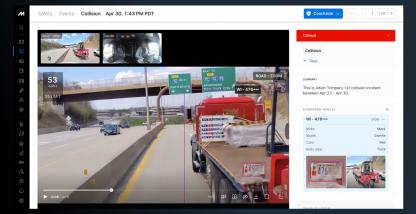
Dashcams tend to get framed around collisions. In construction, the more valuable use case is often verification.
Solano described a recurring problem with aggregate handling. When the wrong material was picked up for a customer, the company absorbed the cost. After enough of those mistakes, Watco started using live streaming and radio verification to confirm crews were in the right bin and loading the correct material before the truck moved.
That turns video into real-time quality control. The same system that helps review a safety event can also confirm a process is being followed correctly while the work is happening. It’s the kind of use case Motive has highlighted in its [AI in construction safety] content: connected visibility helps teams act before a small mistake turns into a larger operational problem.
Reporting that drives maintenance and purchasing decisions
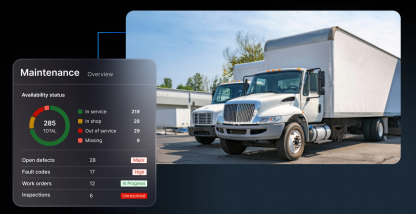
The reporting side of Watco’s program was equally practical. Solano said one of the most valuable recurring outputs is fault code reviews. Supervisors and managers use them to get ahead of equipment issues before they cause downtime.
He also described a customized utilization view that breaks equipment down by department so each team can see what’s being used, what’s idle, and whether an asset should be transferred, repaired, or removed from the following year’s buying plan.
This is where construction teams tend to find the next level of value. Surfacing data is table stakes. The payoff comes when teams use it to change maintenance timing, reassign underused equipment, and avoid purchases they don’t need.
What construction leaders should take from this
Effective construction technology programs are built around connecting a few practical workflows so the operation runs with less guesswork.
At Watco, that meant equipment tracking that cut search time, geofences matched to the logic of the site, speed reporting tied to coaching, live video used for material verification, and reporting that supported better maintenance and utilization decisions. Five workflows, one connected system.
For construction leaders working to protect crews, keep projects on schedule, and control equipment costs, connected visibility is where the technology starts acting like operating leverage.
See how Motive helps construction fleets improve equipment visibility, strengthen jobsite safety, and keep projects moving with the Motive platform for construction.