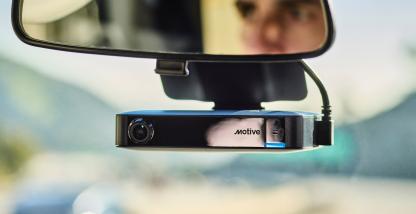



Unplanned downtime is one of the most costly problems a fleet can face — and one of the most preventable. Every unplanned breakdown costs more than the repair bill. It means missed deliveries, idle drivers, and a schedule that doesn’t recover easily. Using diagnostics to improve fleet reliability can prevent these surprise expenses, keeping vehicles on task and out of the shop.
The pains of downtime and unreliable fleet vehicles
Surprise downtime hurts fleet-based organizations financially, especially when a vehicle was meant to be earning on the jobsite or the road. According to the latest data from the American Transportation Research Institute (ATRI), the average cost of keeping a heavy-duty truck on the road is $90.89 per hour. Even when a vehicle is being serviced, extra expenses such as insurance premiums, permits, and driver wages continue to add up, averaging $71.57 per hour. Add in lost revenue and repair expenses, and the cost of surprise downtime keeps going up.
How to use diagnostics to improve fleet reliability
Diagnostics provide an inside look for fleet leaders into the real-time performance of their vehicles and other equipment. Leaders can use diagnostics to improve fleet reliability by:
- Planning preventative maintenance
- Making smart in-the-moment decisions
- Centralizing data for the fleet
- Discovering root causes of issues
- Making inspections more effective
1. Schedule preventative maintenance
Look for maintenance tools that can use diagnostics to create proactive service schedules. Instead of relying only on calendar time or manufacturer intervals, maintenance systems should use real‑world data — mileage, engine hours, and usage patterns — to trigger service.
Tony Barham, executive vice president at Encore Coaches, a luxury entertainment travel provider, explained how Motive’s preventative maintenance helps them run better:
“Our vehicles become more reliable when we’re able to predict maintenance. It’s disruptive and costly if our coaches break down. When our coaches are running, our clients are safer and happier and we’re able to be more profitable.” He added, “Being able to predict when a vehicle is due for maintenance helps us make sure breakdowns don’t happen out on the road.”
Motive’s fleet maintenance product sends preventative maintenance alerts based on miles, maintenance delays, and engine hours. Each vehicle can have a maintenance schedule that’s tailored to how it’s actually used.
If you’re taking your vehicle in for a service and you’re letting them know ahead of time what the fault codes are, then that limits the downtime. Because they already have the parts on hand. Motive’s preventative maintenance has reduced our average vehicle downtime from two days to one day, very easily.
2. Make smart in‑the‑moment decisions
Leaders should look for diagnostic tools that can alert them to Diagnostic Trouble Codes (DTCs) or fault codes in real time. Knowing exactly what’s wrong with a vehicle and having that data all in one system can help leaders make smart decisions about a vehicle’s reliability.
Our mechanics can actually pull the engine fault codes right from Motive, quickly determine what’s happening and then tell the driver exactly what to do to stay safe.
Motive’s fleet maintenance software sends real‑time fault code alerts and vehicle health data back to a single dashboard. This way, teams can see what’s wrong and how urgent it is before deciding if immediate maintenance is required.
By reducing the number of trucks we have out of service, we’re saving $150,000 to $200,000 a year in maintenance costs. That’s another area where we save so much money with Motive.
3. Centralize fleet data
Having a single source of truth for diagnostic and maintenance data makes it easier to improve fleet uptime. When diagnostic data lives in one place, it’s easier to track downtime, spot trends across vehicles and drivers, and prove the impact of a preventative maintenance program over time.
Motive’s Integrated Operations Platform unifies fleet management, safety, spend, and maintenance data so leaders can see both the big picture and the details.
We can connect the dots with data and insights from Motive to make better and more proactive decisions about our fleet and for our drivers. We don’t have to analyze information from multiple systems, which speeds up everything we do.
4. Discover the root causes of vehicle breakdowns
Dissecting the problems that do occur and looking for preventable root causes in the diagnostic data can also improve fleet reliability.
Track maintenance trends to uncover patterns behind repeat issues and higher costs. For example, if maintenance expenses are consistently higher for certain drivers or vehicles, it could signal that driving behaviors are leading to extra wear and tear.
Staker Parson managers saw a trend in driving behaviors. “We noticed that a vehicle operated by a certain driver was having more events than others,” Telematics Site Champion Cristian Zuniga said. “That vehicle in particular needed tire replacements more often than other vehicles of the same type.” With Motive, Staker Parson used real-time data to identify and address the unsafe driving behaviors that were driving up maintenance costs.
Use tools like Motive Analytics to analyze metrics such as historic time out of service, vehicle reliability, and service schedules to continuously improve your preventative maintenance program.
5. Make inspections more effective
Leaders can improve the reliability of diagnostic data by structuring effective inspections. Ensure that defects are captured consistently by digitizing DVIRs and customizing them for each vehicle type.
Motive’s fleet management software includes a vehicle inspection product and custom Driver Walkthroughs that lets fleets build vehicle‑specific checklists, capture photos, and transmit defect data directly to maintenance.
Bonus: Never let the cold chain break
If you transport temperature-sensitive cargo such as food or pharmaceuticals, use diagnostics to monitor reefer reliability and avoid spoilage.
Here’s how Motive’s reefer monitoring product can help leaders improve fleet reliability:
- Environmental sensors monitor the temperature and humidity conditions so you can act before a problem occurs.
- Door monitors send alerts when a door opens to prevent accidental spoilage.
- Reports provide historical temperature and humidity logs with specific time periods for compliance.
- Managers can remotely change reefer settings from the Motive Dashboard to reduce human errors.
Improving fleet reliability starts with reliable diagnostics
Ultimately, how to improve fleet reliability with diagnostics comes down to using data to act early and strategically. When every decision is informed by accurate, centralized diagnostics, you’re able to have a safer, more predictable fleet.
Surveyed customers reported seeing an average 18% increase in vehicle uptime after investing in Motive. That improvement means more vehicles out on the road more consistently.
Watch a short demo to see the Motive Integrated Operations Platform in action.