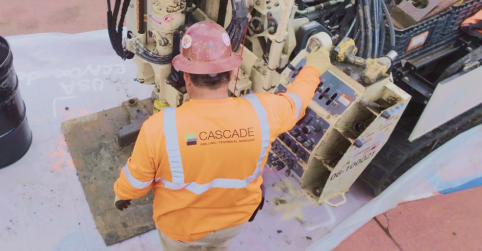



In the construction industry, safety isn’t optional — it’s mission-critical. Whether it’s protecting workers on-site, preventing costly accidents, or ensuring equipment is operated responsibly, modern construction companies are turning to one of the most powerful tools available: AI cameras for construction sites and vehicles.
These intelligent systems don’t just record — they analyze, alert, and optimize. With demand growing for smarter, safer job sites, AI-powered safety cameras are quickly becoming a must-have for construction operations of all sizes.
What are AI cameras for construction?
AI cameras are advanced video monitoring systems equipped with machine learning algorithms. Unlike traditional surveillance cameras, AI cameras:
- Identify safety hazards in real-time
- Recognize unsafe behavior or PPE violations
- Track vehicle and equipment activity
- Trigger instant alerts to supervisors
- Deliver insights through visual data analytics
AI cameras are often mounted on vehicles such as dump trucks, excavators, and cranes, or installed around the job site. Paired with cloud platforms and mobile apps, they provide supervisors with 24/7 visibility — no matter where they are.
Why construction sites are turning to AI camera technology
Construction zones are dynamic and high risk. With heavy machinery, tight deadlines, and multiple contractors working simultaneously, traditional safety protocols can only go so far. That’s where AI steps in.
1. Proactive safety monitoring
AI cameras can detect when workers enter restricted areas, fail to wear high-visibility gear, or engage in unsafe actions — such as walking behind vehicles that are reversing. Real-time alerts prevent accidents before they happen.
2. Fleet and equipment oversight
When installed on construction vehicles, AI dash cams offer dual-facing visibility. They can flag:
- Distracted or drowsy driving
- Unsafe speeds or harsh braking
- Unauthorized use of equipment
Fleet and equipment oversight improves on-site safety and protects companies from liability and downtime.
3. Incident investigation and risk reduction
Should an incident occur, AI cameras provide crystal-clear footage and behavioral context. They show who was involved, what equipment was operating, and what conditions contributed. Data like this is invaluable for resolving disputes, complying with OSHA requirements, and implementing preventive measures.
4. Labor and productivity optimization
AI cameras can also identify bottlenecks and inefficiencies. By analyzing site traffic, idle time, or overcrowded zones, managers can make informed decisions about equipment deployment, crew scheduling, and site layout.
AI camera features to look for in construction applications
If you’re exploring AI cameras for your fleet, here are key capabilities to prioritize:
- PPE detection: Alerts when workers are missing helmets, vests, or gloves
- Zone entry detection: Identifies unauthorized access to hazardous areas
- Driver behavior monitoring: Flags phone usage, fatigue, or aggressive maneuvers
- Edge AI processing: Captures and analyzes data directly on the device — without delay
- Cloud integration: Lets you access footage and reports from anywhere, on any device
- Rugged durability: The camera can ithstand dust, vibration, and extreme temperatures
- Event tagging and reporting: Lets you utomatically log incidents with time-stamped evidence
One camera example is the Motive AI Omnicam. It’s built to provide a comprehensive, real-time view of on-site activity. With advanced AI, it helps detect unsafe behavior, support proactive coaching, and reduce the risk of costly incidents.
The business case for AI cameras in construction
Investing in AI safety camera systems isn’t just about compliance — it’s about competitive advantage. Companies that deploy smart monitoring technology benefit from:
- Lower incident rates and fewer workers’ comp claims
- Improved insurance premiums and risk profiles
- Better project timelines due to reduced downtime
- Higher reputation for job site safety among clients and subcontractors
In an industry where trust, speed, and budget matter most, AI cameras pay for themselves through cost avoidance and operational improvement.
Who needs AI cameras?
AI cameras are particularly valuable for:
- General contractors managing multi-site operations
- Heavy civil and infrastructure builders
- Fleet managers overseeing construction vehicles
- Safety and compliance officers
- Construction firms bidding for large-scale public or commercial contracts
Upmarket construction operations — those bidding on government infrastructure or enterprise-level projects — stand to benefit most from robust AI camera deployments.
Looking ahead: AI and the future of construction safety
AI cameras are just one piece of a broader digital transformation sweeping the construction industry. From autonomous equipment to predictive analytics, smart monitoring systems are foundational to safer, more efficient worksites.
For construction leaders looking to stay ahead of regulations, reduce risk, and build a culture of accountability, AI camera systems are no longer a luxury — they’re a necessity.
Ready to learn more?
Discover how Motive’s AI-powered safety camera solutions can help your construction teams stay protected, productive, and proactive. Explore our AI-powered cameras.