

Modern mixed-fleet management requires a unified, AI-powered integrated operations platform. For organizations managing a diverse array of vehicles and equipment, success hinges on connecting safety, operations, and finance — including compliance, maintenance, and fleet-related spend — through a single system.
Leading organizations use data-rich systems, combining fleet telematics, rugged hardware, and video intelligence powered by accurate AI, to protect drivers and keep assets productive. Here are the five essential features your mixed-fleet management system needs to drive ROI.
Why mixed fleets require an AI-driven platform
Managing a mixed fleet on one system reduces manual work and guesswork. An AI-powered platform is essential because it:
- Consolidates data: Merges telematics, inspections, and video into one live view.
- Filters noise: Uses AI to highlight real risks, ignoring low-value alerts.
- Automates workflows: Handles routine tasks like log checks and defect follow-ups.
- Benchmarks performance: Compares data across regions and asset types.
Transitioning to a unified platform means moving away from siloed data and reactive maintenance. By focusing on these five essential features, organizations can consolidate their workflows into a single, shared dashboard, ensuring that every truck, van, and piece of equipment contributes to the bottom line.
- Unified asset and telemetry tracking
Asset tracking is the foundation of mixed-fleet management. It provides a real-time, shared picture of every powered and non-powered asset, which is critical for planning work and preventing loss.
A robust platform must:
- Track powered assets: Tractors, box trucks, and service vans.
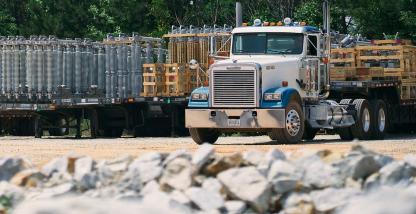
- Track non-powered assets: Trailers, containers, generators, and yellow iron.
- Capture deep telemetry: Monitor engine health, fuel usage, engine hours, and power take-off events.
With Motive, fleet telematics and equipment monitoring live in one place within the Motive Integrated Operations Platform. Operations teams see where assets are, while finance teams gain the data needed for smarter capital planning.
- Compliance automation and reporting
Compliance automation reduces regulatory risk by replacing fragmented paper trails with digital records. In a mixed-fleet environment, your platform should centralize:
- ELD and Hours of Service (HOS) logs.
- Digital Driver Vehicle Inspection Reports (DVIRs).
- IFTA mileage and fuel reporting.
- Driver qualification and training records.
By tying these workflows into a single dashboard, back-office teams can retrieve records instantly for audits. This frees staff to focus on service quality rather than chasing paperwork.
- Preventive maintenance and work-order integration
Preventive maintenance allows fleets to act on data before it leads to expensive breakdowns. A modern system should do more than just track oil changes; it should:
- Trigger service alerts based on real-time mileage, engine hours, or fault codes.
- Automate work orders: Convert DVIR defects and diagnostic alerts into shop tasks automatically.
- Integrate with CMMS tools: Track repair status and maintenance history for every asset.
Integrating telematics with maintenance workflows ensures assets stay on the road generating revenue, helping leaders understand the true lifecycle cost of their fleet.
- Video telematics and driver coaching
Video telematics turns raw footage into a proactive tool for driver safety. It’s no longer enough to record what happened; your system must help prevent incidents in the first place.
An effective program should:
- Detect risky behavior in real-time: Use AI to flag distraction, speeding, and tailgating.
- Provide context: Offer both road-facing and driver-facing views.
- Support structured coaching: Use safety scores and trend analysis to mentor drivers.
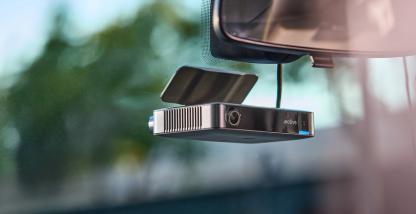
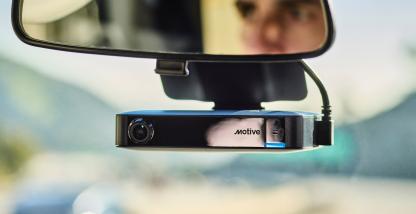
With accurate AI that reduces false positives, AI-powered dashcams build trust with drivers. Safety leaders can prioritize high-risk events and document coaching sessions to help reduce collisions and insurance claims.
- Open integrations and scalable architecture
Open integration ensures your fleet data flows into the systems that run the rest of your business. For a mixed fleet to be efficient, look for:
- APIs and webhooks: Connect to your TMS, ERP, payroll, and fuel tools.
- OEM support: The ability to ingest data from built-in manufacturer telematics.
- Cloud-native infrastructure: A system that scales as you add more assets and locations.
A truly integrated operations platform turns fleet data into enterprise-wide insight, informing everything from job costing to financial reporting.
How these features optimize fleet management
These features work together to optimize fleet management by sharing data across safety, maintenance, compliance, and finance, allowing teams to reduce risk and cost with fewer blind spots.
When unified tracking, compliance, maintenance, video safety, and integrations live on one AI-driven platform, organizations can:
- Use telemetry and asset data to schedule maintenance and avoid unplanned downtime.
- Link driving behaviors to collisions, claims, and maintenance impacts.
- Keep compliance records aligned with trips, drivers, and assets automatically.
- Push insights into external tools for planning, budgeting, and performance reviews.
Take control of your entire fleet
Ready to see how a unified platform can improve your operations? Avoid fragmented data and manual processes that slow teams down. Discover how Motive’s AI-powered platform can help you reduce costs, improve safety, and realize value faster across your entire mixed fleet.
Learn more about the Motive Integrated Operations Platform or schedule a personalized demo today.
Frequently Asked Questions
How does fleet management software support mixed fleets?
It standardizes data from diverse assets—like trucks, trailers, and heavy equipment—into a single dashboard. This allows managers to use the same workflows for inspections, maintenance, and safety regardless of the asset type.
Why is an AI-driven approach better than traditional GPS?
While GPS only shows location, AI interprets data. AI-driven fleet management can prioritize safety risks, detect fuel theft patterns, and automate maintenance scheduling, allowing teams to act on insights rather than sorting through raw data.
What role does video telematics play in driver safety?
Video telematics uses AI to detect unsafe habits like distracted driving or tailgating. It provides real-time in-cab alerts to help drivers correct behavior instantly and gives managers the footage needed for objective coaching.
How can mixed-fleet management systems reduce costs?
These systems can help reduce costs by identifying inefficiencies like excessive idling, preventing breakdowns through preventive maintenance, and improving asset utilization to avoid unnecessary rentals or purchases.
What integrations matter most for fleet platforms?
The most critical integrations include your TMS, ERP, payroll, and fuel card programs. These ensure data flows automatically between departments without manual entry.
When should I upgrade my fleet management system?
It is time to upgrade if your team is using multiple disconnected tools, struggling with manual paperwork, or cannot see a unified view of trucks and equipment in one place.