


Mobile phones are already an outdated technology for fleets. When a dispatcher really needs to reach a driver, they can’t wait for a phone call.
In-cab communications technology — where a dispatcher can call a driver directly in the cab — enables safer, faster, and more flexible communication between dispatchers and drivers. With Motive, teams have a safer alternative to phone calls and a faster way to manage unexpected circumstances.
In this article, you’ll learn how to benefit from this technology with your own dispatchers and drivers.
What is in-cab communications technology?
In-cab communications technology replaces personal phone calls with communication tools that are built into cab hardware and fleet software. It’s essential tech for any fleet-based industry where drivers can’t stop often, conditions change quickly, and the back office needs to intervene in real time without relying on a phone. These industries include:
- Trucking and logistics.
- Delivery and other schedule-sensitive operations.
- Field service, construction, and utilities.
- High-risk or compliance sensitive operations such as oil and gas, waste, and public sector fleets.
With two-way calling, real-time communication becomes more reliable, more centralized, and doesn’t force a driver to halt work.
How does in-cab communications technology work?
In-cab communication technology may use satellite, cellular, or hybrid connectivity to reach drivers. Newer in-cab calling systems connect directly to in-cab hardware.
These newer systems pair cloud-based fleet software with a connected in-vehicle device. This means that dispatch can reach drivers through audio that’s built into the hardware instead of a separate handset.
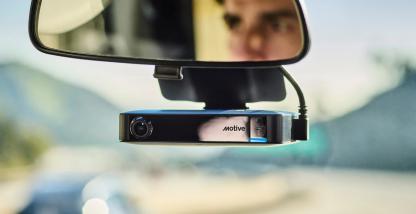
For example, the Motive AI Dashcam Plus uses a built-in speaker and dual digital microphones powered by Qualcomm technology to enhance audio. Managers can start a call directly from the Motive Dashboard or Fleet App, and the audio plays through the dash cam’s built-in speaker and microphones in the vehicle. Drivers respond completely hands-free.
Why is two-way calling safer than calling drivers on their phones?
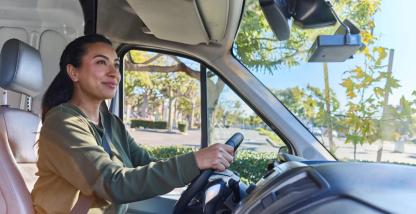
Live two-way calling is safer because it enables dispatchers and managers to reach drivers directly without causing distraction. Managers can quickly address urgent issues like weather emergencies or maintenance alerts. Drivers, meanwhile, can respond safely hands-free without having to use their phones.
Commercial drivers often have job-related reasons to use their mobile phones while driving, such as coordinating dispatch logistics, finding a place to get fuel, or navigating a serious storm. Pressure to stay on schedule can make hand-held phone use while driving, instead of pulling over, more tempting. Managers and dispatchers have similar, valid reasons to call drivers.
However, it’s long been proven that hand-held mobile phone use leads to more dangerous driving conditions:
- Texting while driving raises a driver’s collision risk by 23 times (VTTI, 2009).
- Truck and bus drivers who use their mobile phone to text, e-mail, or access the Internet are very likely to be involved in a safety-critical event (FMCSA, 2010).
- Drivers were engaged in non-driving related tasks in 71% of collisions, 46% of near-collisions, and 60% of all safety-critical events (FMCSA, 2009).
What are the benefits of in-cab communications technology?
Organizations that use in-cab communications technology for two-way calling can reduce driver distraction, increase coordination between dispatchers and drivers, and increase operational flexibility.
1. Less distraction
A hands-free method for in-cab communications technology between dispatcher and driver can reduce mobile-phone use risks and distractions. Reaching a driver quickly and safely through in-cab technology means they don’t have to take their eyes off the road to think about finding their phone, reading messages, or answering calls.
2. Faster coordination
In-cab communication technology helps cut out the friction of phone-based communication. The dispatcher can call the driver directly, and the driver doesn’t have to find, answer, or handle their phone. This friction-free communication means less missed contact. Drivers can respond immediately, and the dispatcher and driver can make a decision instead of playing phone tag.
3. More operational flexibility
When plans change, a dispatcher needs to reach a driver fast. With in-cab communications technology, dispatchers can adjust the plan with the driver while the work is still in motion to reduce long driver wait times and customer dissatisfaction.
Improve dispatcher-driver communication with Motive’s AI Dashcam Plus
With live two-way calling on Motive’s AI Dashcam Plus, a manager or dispatcher can start a call from the Motive Dashboard or Fleet App, and Motive routes that call through the dash cam’s built-in speaker and microphones instead of a phone.
Once the call is placed and connected, Motive opens the in-cab audio session so the driver can hear and respond hands-free. All they have to do is respond. When routes shift, deliveries are delayed, or a vehicle issue needs immediate attention, dispatchers have a guaranteed way to step in.
Two-way calling is just the beginning of driver safety
Hands-free communication can improve driver safety and operational flexibility when drivers need quick guidance, but the value of the AI Dashcam Plus goes further.
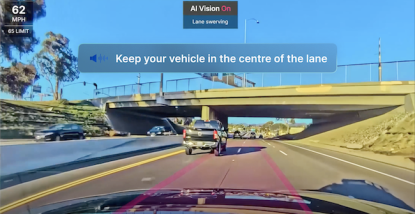
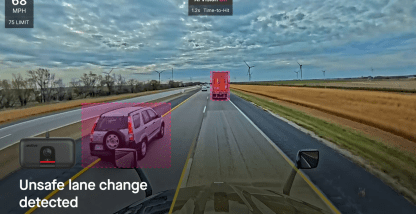
By combining HD video, AI-powered event detection, and in-cab alerts with connected workflows in the Motive Dashboard, the dash cam helps organizations coach drivers with more context, capture reliable evidence faster, and alert drivers and managers to safety risks in the moment.
For organizations with fleets with 150+ vehicles and high AI Dashcam adoption, Motive’s internal data shows that consistent coaching delivers even greater long-term results:
- 88% fewer hard braking events
- 80% fewer mobile phone violations
- 78% fewer close following events
- 70% fewer seat belt violations
- 62% fewer stop sign violations
To learn how you can see improvements like these in your fleet, check out the AI Dashcam Plus or watch a demo of Motive in action.
Frequently Asked Questions
What are the most common causes of distraction for truck drivers?
According to FMCSA research, which studied how distraction and fatigue affect commercial motor vehicle operations, these driving behaviors significantly increase the risk of a critical safety event for truck drivers:
Removing or adjusting clothing
Reading
Reaching for an object
Interacting with electronic devices
Adjusting vehicle devices
External distractions
Reaching for food or drink
What industries can benefit the most from two-way in-cab calling?
Two-way in-cab calling is most valuable for trucking and logistics, delivery, and mobile field operations where dispatch needs to reach drivers immediately about safety, delays and route changes, or vehicle issues.
Can Motive’s dash cam automatically contact a driver with two-way calling during a critical event, like fatigue or another urgent safety issue?
When high fatigue risk is detected, Motive helps you respond in the moment so you can intervene:
Live two-way calling through the AI Dashcam Plus makes it easy for managers to connect with drivers instantly.
Real-time in-cab alerts prompt drivers to stay alert.
Atlas Assistant automatically calls the driver through the AI Dashcam Plus when fatigue is detected.
How does driver-initiated calling work in Motive?
Driver-initiated calling in Motive is a planned extension of live two-way calling in the AI Dashcam Plus. Once available, a driver will be able to say “Hey Motive” to start a hands-free call from the dashcam instead of reaching for a personal phone. This way, the driver can quickly and safely connect with dispatch, a safety manager, or maintenance when they need help.
Accordion Header
Accordion Body content