

In the oil and gas industry, operational efficiency depends on one thing: knowing where your assets are — and how they’re performing. From drill rigs and generators to field vehicles and compressors, energy companies manage an enormous volume of high-value, high-risk equipment across vast and remote regions.
But here’s the problem: Most still rely on outdated tracking methods that can’t keep up with the pace and complexity of modern energy operations. That’s where oil and gas asset tracking technology comes in.
Why asset tracking is critical in oil and gas
Unlike construction or manufacturing, oil and gas operations stretch across harsh environments and isolated regions — from the Permian Basin to offshore rigs. Equipment is constantly in motion, shared across multiple teams, and exposed to both physical and environmental extremes.
Without the right tools, this creates serious challenges:
- Lost or underutilized equipment
- Manual tracking errors
- Inefficient deployments and idle assets
- Increased operational costs
- Delayed response to outages or failures
For an industry where uptime is everything, asset visibility is non-negotiable.
What is oil and gas asset tracking?
Asset tracking in oil and gas refers to the use of GPS, Bluetooth, cellular, and satellite technologies to monitor the location, use, and health of equipment in real time. It includes:
- Fixed assets (generators, compressors, tanks)
- Mobile equipment (trucks, trailers, field service units)
- Portable tools (pumps, valves, hoses)
- Heavy machinery (drill rigs, frack spreads)
Smart asset tracking brings all of these into a centralized system. Data is accessible via desktop or mobile, so field teams and back-office staff can stay connected and informed.
Top benefits of asset tracking for oil and gas companies
Real-time visibility across remote operations
Modern asset tracking systems use GPS and cellular networks to send location updates in real time—even when equipment is spread across large, remote areas.
But what happens when a site has weak signal or no cell coverage? The best systems are built for that too. They use offline caching, which means they keep collecting data even when the connection drops, and send it later when the signal returns.
Some also offer satellite backup, so you can still track your assets in ultra-remote regions where regular networks don’t reach. This ensures you’re never in the dark, no matter where your operations are.
Reduced equipment loss and theft
By knowing where every asset is, and when it was last used, you can minimize loss, prevent theft, and recover misplaced or stolen items faster. Real-time alerts flag unauthorized movements and after-hours activity.
Better resource allocation
Track utilization rates and idle time to ensure assets are where they’re needed most. This helps reduce unnecessary rentals, optimize deployment schedules, and improve ROI on existing equipment.
Better preventive maintenance
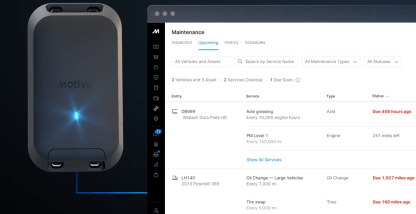
Advanced asset trackers can monitor engine hours, fuel consumption, or vibration patterns to trigger timely maintenance before failures occur. That keeps equipment running longer and minimizes costly downtime.
Faster job site setup and breakdown
Know exactly which assets are in the field, in transit, or still at the yard. This visibility streamlines mobilization and demobilization, speeding up project timelines.
Key features to look for in an oil and gas asset tracking solution
If you’re evaluating asset tracking solutions for energy operations, prioritize features built for rugged use and enterprise-level visibility:
- Hybrid-powered tracking (cable + battery) for both powered and unpowered assets
- GPS + cellular triangulation for hard-to-reach areas
- IP67/IP69K durability ratings for protection against water, dust, and vibration
- Geofencing to monitor entry/exit from sensitive zones
- Automated reporting and alerts to reduce manual admin
- Integration with dispatch, ELD, and maintenance platforms
Who needs it most?
Asset tracking delivers value across the oil and gas value chain:
- Upstream operators managing drilling and exploration assets
- Midstream companies overseeing pipelines, storage, and transport
- Oilfield service providers coordinating fleets and mobile crews
- Energy logistics teams dispatching equipment across states or basins
Whether you’re maintaining uptime in the Bakken or maximizing crew efficiency in the Eagle Ford, visibility is your competitive advantage.
Why it matters now
Rising operational costs, labor shortages, and environmental regulations make efficient asset management more important than ever. Companies that invest in smart asset tracking are better positioned to scale, stay compliant, and reduce risk.
As the industry continues to embrace automation and digital transformation, connected asset tracking is becoming a foundational tool — not a future nice-to-have.
Conclusion: Take control with connected asset visibility
The oil and gas industry doesn’t slow down — and neither should your ability to track and manage the equipment that powers it. With the right asset tracking solution, you can:
- Eliminate visibility gaps
- Cut costs and downtime
- Improve compliance and accountability
- Make smarter decisions, faster
Explore what’s possible
Want to learn how Motive helps oil and gas companies track, manage, and optimize critical equipment in the field and in the office?