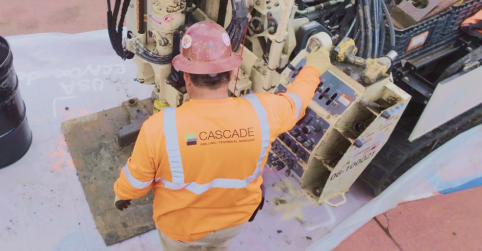



Safety of any waste or recycling operation starts with protecting your people.
The latest industry data shows 87 work-related fatalities in 2023 in the waste management and remediation industry, up from 61 the year before, while injuries overall have gone down. That’s proof safety programs are working, but also that there’s more to do.
Every day, drivers face unpredictable hazards on crowded streets, in tight alleyways, and at high-risk job sites. And every incident can bring costly downtime, higher insurance premiums, and compliance risks.
The fleets leading the way are investing in connected safety strategies built on fleet telematics systems, AI-powered dash cams, and real-time driver coaching. These tools give teams the visibility and accountability needed to spot risks earlier, coach smarter, and protect both drivers and operations.
Whether you run five trucks or 5,000, performance tracking and coaching can help you protect your people, stay compliant, and boost your bottom line.
Learn how fleets like yours can turn risk into results.
What makes fleet safety so critical in waste and recycling operations?
Operating a waste or recycling fleet comes with high-stakes challenges that demand a proactive safety strategy. Every day, drivers face unpredictable hazards, tight deadlines, and cramped spaces that leave little room for error.
Here are some of the biggest challenges waste fleets face when it comes to safety and operations:
- Tight maneuvers in congested areas: Routes often run through crowded neighborhoods and narrow corridors, forcing drivers to back up, make sharp turns, and navigate close to pedestrians and vehicles, which greatly increases collision risk.
- High exposure to injury: Waste and recycling drivers work long hours, often in low-visibility conditions. Frequent stops and the need for workers to repeatedly enter and exit the cab heighten the risk of accidents and injuries.
- Dangerous cargo and fire hazards: Household and commercial waste can contain flammable or hazardous materials that ignite under compaction, creating dangerous fires in the truck hopper. These incidents endanger drivers, nearby pedestrians, and property, and can require costly emergency repairs.
- Mixed fleets and aging equipment: Many operations run a mix of light-, medium-, and heavy-duty vehicles, often with older equipment. The variety in vehicle types and ages makes scheduling and standardizing maintenance more complex, while also limiting real-time visibility into vehicle health without modern telematics systems.
- Workforce and language barriers: High turnover, driver shortages, and language barriers make consistent safety and operational training harder, especially without coaching tools to support drivers who don’t speak English.
- Compliance demands: Regulations from the Occupational Safety and Health Administration (OSHA), Department of Transportation (DOT), and environmental agencies require strict adherence and precise recordkeeping. Without accurate data, audit readiness is difficult, and violations can lead to costly fines or legal action.
These challenges make one thing clear: Fleet safety must be a core business priority, not an afterthought.
Manual oversight alone can’t meet these demands. It takes a connected strategy built on visibility, automation, and real-time feedback.
Core elements of an effective waste management fleet safety strategy
From leadership commitment to consistent driver training, the most effective fleets take a structured, proactive approach that goes beyond checking boxes. Here are core elements that set high-performing safety programs apart.
A safety-first culture starts at the top.
When leadership prioritizes safety and communicates expectations clearly, it builds accountability across the organization. Recognizing safe driving behaviors, enforcing policies consistently, and fostering open communication ensure safety is part of everyday operations, not just a yearly training exercise.
Training and onboarding should reflect the realities of waste and recycling work.
New drivers need scenario-based training for tasks like backing in tight spaces, operating hydraulic arms, and navigating frequent stops. Regular refreshers, especially on defensive driving and compliance, keep skills sharp and standards high.
Many waste fleets rely on multilingual drivers.
Making it essential to use coaching tools and AI-powered dash cams with language customization. When drivers understand the meaning behind in-cab alerts and real-time feedback, coaching is more effective and impactful.
Clear safety policies keep expectations consistent.
The best safety policies are comprehensive, covering everything from cell phone use to pre-trip inspections. Integrating these policies with telematics systems and driver coaching tools turns them into actionable standards that can improve fleet-wide performance.
With these elements in place, waste and recycling fleets can build a safety program that protects drivers and assets and lays the groundwork for long-term operational success.
Safety starts with visibility: Using telematics and dash cams to prevent accidents
Preventing accidents in waste and recycling operations requires more than reactive policies. It takes real-time visibility and the ability to act instantly.
Telematics systems and AI-powered dash cams give safety and operations teams the insight they need to identify risks, correct unsafe behavior, and protect both drivers and the business.
By continuously monitoring behaviors like speeding, harsh braking, and rapid acceleration, fleets gain a clear picture of driver performance and can spot risks before they lead to incidents.
With both a road facing and driver facing camera,, the Motive AI Dashcam adds a critical layer of protection, capturing both road- and driver-facing video. When drivers exhibit unsafe driving behaviors, real-time alerts prompt them to self-correct — preventing near misses from turning into collisions.
Proactive feedback like this turns daily driving into steady, measurable improvement.
When accidents do occur, high-quality video evidence ensures the facts are clear, helping managers exonerate safe drivers, resolve claims faster, and reduce disputes.
When paired with personalized driver coaching, telematics and AI Dashcams transform fleet safety from a reactive process into a proactive, accountable system.
Turning risk into results with data-driven driver coaching
The best fleet safety programs don’t just capture data; they use it to change behavior.
In waste management, performance tracking powered by telematics and AI-powered dash cams turns everyday risks into clear, coachable moments that improve accountability and reduce risk.
Here’s how Motive helps fleets make that shift:
- Coaching that’s visual, specific, and automated. Telematics data and AI-powered dash cams flag risky behaviors in real time, delivering in-cab alerts and video clips that help drivers connect their actions to safety outcomes.
Safety teams then use detailed reports and event footage for focused, in-person sessions that address patterns and reinforce lasting safe driving habits. This blend of instant feedback and targeted follow-up creates a continuous improvement loop that builds accountability and elevates fleet performance. - Customizable Safety Scores. The Motive Safety Score gives managers a clear, real-time view of safety trends across the fleet. At a glance, they can spot high-risk drivers, monitor improvements, and set performance benchmarks.
Fully customizable settings let managers prioritize serious behaviors, like speeding or cell phone use, while minimizing low-priority alerts. Just as importantly, Safety Scores can be used to recognize and reward drivers who consistently demonstrate safe practices. - Workflows that simplify follow-up and drive consistency. For recurring issues, managers can schedule sessions, assign follow-ups, and track progress — all in one place. Expert video review filters out false positives, while real-time alerts make it easy to step in when risky patterns appear.
- Gamified safety that keeps drivers engaged. The Motive Driver App gives drivers instant access to their Safety Scores, lets them track their progress, and encourages friendly competition through peer comparisons — building transparency and reinforcing safe habits across the team.
Over time, these targeted, data-driven interventions lead to fewer unsafe events, stronger performance, and a safety-first culture that lasts.
How leading waste fleets are getting safer with the right tools
Modern waste fleets are proving that the right mix of technology and coaching doesn’t just reduce risk — it transforms operations.
From reducing unsafe driving behaviors to boosting Safety Scores and lowering claims costs, waste and recycling companies using telematics systems, AI-powered dash cams, and driver coaching are seeing real results.
Piedmont Disposal and Recycling needed a reliable way to monitor safety in high-risk work zones where backing accidents were common. Their previous dash cams often failed, making effective coaching nearly impossible.
Backed by Motive, Piedmont improved their overall Safety Score from 76 to 99 — a 30% increase — and cut unsafe driving behaviors by 25%.
Prairie Disposal was managing multiple disconnected safety systems that couldn’t keep up with their remote service area.
Motive’s unified platform, AI Dashcams, and AI Omnicams gave them 360-degree visibility across compliance, safety, and operations. The result: a 63% efficiency gain, claim processing times by up to 20 hours per incident, and thousands saved in legal costs by using video to exonerate drivers and resolve disputes quickly.
These fleets didn’t just invest in new tools, they built a connected safety strategy that delivers consistent, measurable results.
FusionSite Services struggled with an outdated telematics provider that lacked compatibility with their mostly light-duty fleet and limited visibility into driver behavior.
After switching to Motive AI Dashcams, the business gained real-time visibility into driver behavior. Reliable in-cab alerts gave drivers instant feedback on unsafe driving behaviors like cell phone use and close following — allowing them to self-correct before a collision occurred. In less than a year, FusionSite reduced incidents by 89% and high-risk driving behaviors by 92%, while saving nearly $500,000 in hardware and installation costs.
The business case for investing in waste fleet safety
For waste and recycling fleets, investing in fleet safety does more than protect drivers. It delivers measurable returns across the business:
- Reduced collision-related costs: Preventing accidents lowers legal exposure, workers’ compensation claims, settlements, and liability expenses, helping fleets avoid significant unplanned costs.
- Reduced downtime and repair costs: Fewer accidents mean fewer trucks in the shop and less wear on critical components, keeping vehicles on the road and maintenance costs lower.
- Lower insurance premiums: A strong safety record, backed by telematics data and incident reduction, can help fleets qualify for lower rates, putting real savings back into the budget.
- Improved compliance and audit readiness: Automated logs, safety reports, and inspection records make it easier to meet state and federal regulatory requirements, reducing the risk of fines, penalties, and legal exposure.
- Higher driver satisfaction and retention: When drivers feel supported with safe equipment, clear policies, and constructive coaching, they’re more likely to stay, and that helps reduce turnover and hiring costs.
- Better eligibility for premium contracts: A world-class safety record can give fleets a competitive edge when bidding for municipal or corporate contracts, opening doors to higher-value opportunities.
A strong commitment to fleet safety creates a ripple effect across every area of the business.
Safer fleets run more efficiently, control costs, and build a reputation that leads to new opportunities. For waste and recycling operators, safety isn’t just operationally smart, it’s a competitive advantage that drives sustainable growth.
Take the next step toward a safer, more efficient waste fleet
In waste management and recycling, fleet safety is a powerful driver of efficiency, cost savings, and business growth. The fleets leading the way are the ones pairing telematics systems, AI-powered dash cams, driver coaching, and performance tracking to create connected safety programs that prevent accidents, protect drivers, and deliver measurable ROI.
By investing in these tools, you’re building a fleet that runs more efficiently, wins better contracts, and keeps drivers engaged for the long term.
Safety technology is no longer a “nice-to-have.” It’s a business advantage that can transform how your operation performs every day. Now is the time to put that advantage to work for your fleet.
Explore Motive’s waste management fleet solutions to see how leading fleets are achieving real results, or request a demo to find out how we can help you take the next step toward a safer, more efficient future.