


From long-haul trucks and service vehicles to trailers, generators, and heavy machinery, every asset keeps oil and gas operations moving.
Managing this mix across remote sites and hazardous environments is a constant challenge – especially when safety, compliance, and efficiency are on the line. Unexpected downtime, lost equipment, or safety incidents don’t just slow work; they increase costs and put entire projects at risk. Traditional fleet management can’t keep pace with the demands of modern oil and gas operations.
That’s where oil and gas fleet tracking makes a difference. By combining GPS fleet tracking, telematics, and asset monitoring, operators gain real-time visibility into vehicles, equipment, and drivers. This level of control helps reduce risk, improve utilization, and strengthen compliance while supporting safer, more efficient field operations.
How GPS fleet tracking improves visibility in oil and gas operations
In oil and gas, visibility is critical. Fleets often travel hundreds of miles across remote basins, drilling sites, and refineries. Without clear insight into where vehicles and equipment are, businesses face delays, higher costs, and the potential for theft and maintenance issues that go unchecked.
Real-time location tracking across remote regions
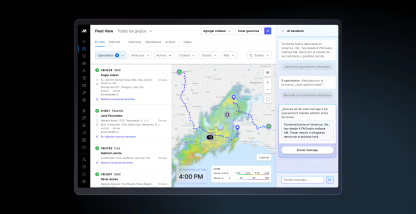
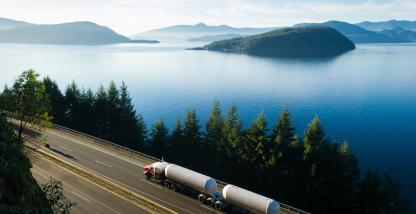
GPS-enabled tracking systems allow managers to see the live location of every vehicle and asset. Whether it’s a tanker headed to a refinery or a service truck moving between rigs, knowing the exact location of your vehicles and equipment helps avoid delays and keeps schedules on track. You can reroute your drivers around traffic and keep schedules on track.
In remote or hazardous areas, knowing exactly where your drivers and equipment are is critical to an effective emergency response, should anything go wrong.
Optimizing routes and reducing downtime
GPS data helps fleets plan efficient routes and adapt to changing conditions in real time. Rerouting around road closures or in response to traffic congestion can keep teams on track and reduce fuel use and idle time. For oil and gas operations, that means more predictable deliveries and better coordination between field crews.
Smarter dispatching and resource allocation
Fleet tracking can also improve utilization.
By identifying underutilized assets and deploying them where they’re needed, fleets can improve productivity and lower operating costs.
Oil and gas fleets rely on telematics for smarter operations
GPS tracking shows where vehicles are. Telematics goes further by capturing data that helps oil and gas fleets operate safely and efficiently.
Telematics adds value across the fleet:
- Vehicle health monitoring: Track diagnostics, mileage, and fuel use to spot issues early, schedule preventative maintenance, and prevent costly breakdowns.
- Driver safety insights: Monitor harsh braking, speeding, and rapid acceleration to reduce risky behavior and coach safer driving habits.
- Regulatory compliance: Automate hours of service (HOS) logs, inspections, and electronic reporting to simplify compliance and avoid violations.
- Cost control: Use telematics data to cut unnecessary spend, reduce downtime, and lower insurance costs.
- Smarter decision-making: Combine driver, vehicle, and equipment data in one platform for insights that optimize fleet performance.
Asset tracking for oil and gas fleets: Visibility beyond vehicles
Oil and gas fleets depend on more than vehicles. High-value equipment, trailers, and portable tools also need protection and real-time oversight.
With asset tracking, operators gain the visibility and control to secure equipment, prevent loss, and improve utilization across every site:
- Theft prevention: GPS-enabled trackers send real-time alerts if assets move without approval, helping reduce unauthorized use and losses, even in remote or unsecured areas.
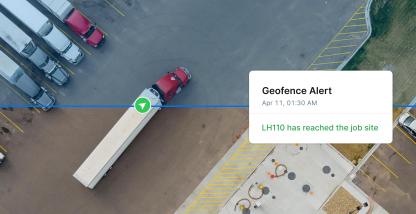
- Geofencing control: Virtual boundaries around rigs, yards, or job sites monitor when assets enter or leave, improving crew accountability.
- Utilization insights: Track how often assets are in use, identify underutilized equipment, and deploy resources where they’re needed most.
- Remote equipment monitoring: Satellite connectivity ensures real-time tracking and status updates, even in areas without cellular coverage.
- Maintenance alerts: Usage data flags when servicing is due, keeping equipment reliable and safe.
By extending visibility beyond vehicles, asset tracking helps fleets protect equipment, improve utilization, and maximize uptime.
Prioritizing oil and gas fleet safety with tracking technology
Safety is always at the forefront of oil and gas operations. From long-haul routes to remote job sites, every mile traveled carries risk for drivers, equipment, and the communities they serve.
Motive’s AI Dashcams and tracking technology help fleets prevent accidents, simplify compliance, and protect workers in the field. Real-time monitoring of unsafe driving behaviors helps detect risks like distraction, fatigue, or hard braking, giving fleet managers the tools they need to coach drivers on safer habits and work to avoid incidents before they happen.
Telematics-powered compliance tools automate Hours of Service (HOS) logs, inspections, and IFTA reporting, reducing paperwork and keeping fleets aligned with regulations.
And when incidents do occur, real-time alerts and video evidence provide the context needed for faster response and accurate claims resolution.
The benefits quickly become clear: Within one year of deploying Motive’s AI Dashcam, customers averaged an 80% reduction in collisions, a 20% reduction in accident-related costs, and reduced their insurance premiums by approximately 20%.
Since bringing on Motive, we’ve seen a 50% improvement in compliance and safety. We had multiple systems that were managed by as many as six people and seven separate providers that are now consolidated under one platform with Motive. We saw compliance increase and a reduction in the incident activity and severity almost immediately.
Building a complete oil and gas fleet tracking strategy
Effective fleet tracking in oil and gas goes beyond knowing where vehicles are.
A complete strategy brings together vehicles, equipment, and assets in one platform, giving operators the ability to reduce risk, cut costs, and keep operations running smoothly.
A unified platform to manage all your operations in one place
Oil and gas fleets operate everything from service trucks and tankers to heavy machinery and portable assets. A unified tracking strategy lets you track every vehicle and asset in one system, providing a clear picture of performance. At the same time, you can ensure resources are deployed exactly where they’re needed.
Turning data into efficiency
When GPS tracking, telematics, and asset monitoring work together, insights become more powerful. Fleets can link driver behavior to vehicle performance, fuel use to route efficiency, and asset utilization to job-site productivity.
These connections often lead to smarter decisions, safer operations, and lower costs.
Future-ready tracking
Growing demands around safety, cost control, and sustainability demand more from fleet operations. By leveraging automation, a complete tracking strategy supports predictive maintenance, emissions monitoring, and long-term competitiveness in a rapidly evolving industry.
Power the next generation of oil and gas operations
Oil and gas fleets face constant challenges from remote operations, diverse equipment, strict compliance, and the need to keep crews safe.
A complete fleet tracking strategy unifies GPS, telematics, asset monitoring, and safety tools in one system, giving operators the control to reduce downtime and improve efficiency.
Motive’s connected platform brings GPS, telematics, asset monitoring, and safety tools together into one system. With all fleet data on the same platform, Motive offers oil and gas companies a way to gain complete visibility and control over their operations. As a result, they can more easily cut costs, improve safety, and stay compliant while keeping operations moving forward.
The results are clear: Customers spent 50% less time on tracking vehicles and assets and saved 20% in annual costs due to efficient fuel and maintenance management after adopting our Fleet Management product, based on our internal studies.