

The 2025 holiday season is shaping up to be another demanding one for food and beverage fleets. Following last year’s nearly $1T in holiday retail sales (yes, a trillion dollars) and food and beverage sales increasing, operators now face a fresh round of pressure to meet peak demand.
Holiday cold chain logistics make for a high-stakes balancing act of temperature monitoring and regulatory cold chain compliance that demands real-time visibility. Every reefer failure, delay, or missing data point threatens to erode profitability and damage your brand. Add in the potential for tight deadlines, driver fatigue, and winter storms, and the result is a cold chain under pressure.
And while some fleets see the holiday season filled with risk, others see opportunity. The difference comes down to preparation, visibility, and having the right tools to stay in control when holiday demands build.
Peak season stressors are stacking up
The U.S. food cold chain market is surging, with a compound annual growth rate of 15.1% projected between 2025 and 2033. At the same time, last-mile risks are ever-present, with same-day and multi-drop deliveries now the expectation of consumers. Meanwhile, retailers are placing smaller, more frequent orders to avoid backstocking, creating a crush of activity at the fleet level.
For F&B fleets, more stops mean more door openings and a higher chance for temperature swings, putting product integrity at risk.
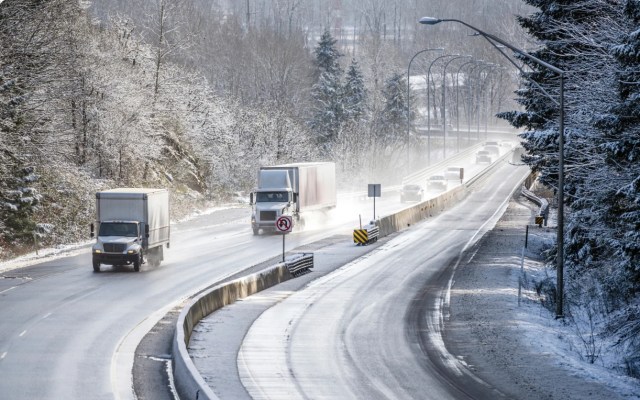
Then there’s the weather. Roughly 65.5% of all Christmas Day collisions occur on wet, snowy, or icy roads, and that number increases when deliveries are being rushed to make tight windows.
Driver safety is always a concern, but so is food safety. With the recent rise in litigation related to food recalls, the stakes couldn’t be higher.
The cost of failure in the cold chain
A single reefer unit failure on a trailer of refrigerated cargo can cost hundreds of thousands of dollars. In some cases, temperature drift in just one zone can trigger full-load rejection — even if the rest of the trailer stayed in range.
The actual cost isn’t just the load. It’s the downstream damage, including:
- Insurance claims
- Strained customer relationships
- Spoiled shelf space
- Lost revenue
Refrigerated trailers run nearly nonstop, which accelerates wear and increases demand for service. At the same time, supply chain challenges can slow access to replacement parts, extending downtime. Volatile fuel prices and extra idling during cold weather can further cut into margins.
Regulatory pressure peaks during the holidays
The 2025 holiday rush is landing in a freight environment that’s already strained. Higher shipping volumes, ongoing labor shortages, and fluctuating fuel costs are making supply chain operations difficult to manage. Drivers face tighter schedules and longer hours during peak season, increasing the risk of fatigue and compliance gaps.
Fleets must provide chain-of-custody documentation, temperature logs, and traceability records across multiple temperature zones and stops. Manual workflows can’t keep up with the volume, especially when driver turnover, fatigue, and compliance lapses start piling up.
One failed inspection, missing data, or preventable accident can shut down operations during the most critical weeks of the year.
How Motive keeps your fleet cool under pressure
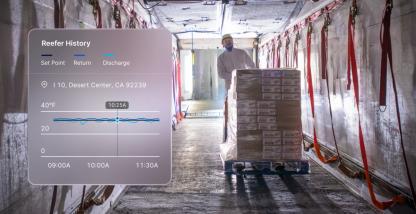
During peak season, control is everything. Motive’s Reefer Monitoring solution gives food and beverage fleets real-time visibility and control over every load, zone, and mile.
- With Motive, every vehicle can be configured with up to six temperature or humidity zones, allowing dispatchers to monitor and manage multi-temp freight without relying on the driver alone.
- The moment a zone drifts out of range or a trailer door is opened, the system issues a real-time alert, letting the back office step in before spoilage becomes a six-figure problem.
That level of insight changes everything. Instead of waiting to hear about a rejected load after the fact, your team gets ahead of it, preserving product integrity and protecting the customer relationship.
The Motive Integrated Operations Platform streamlines paperwork by making the data needed that meet FDA, FSMA, and USDA requirements instantly accessible. During holiday crunch time, that means fewer hours lost to documentation and more time for fleets to focus on execution.
Driver safety and equipment uptime are also critical. With Motive AI Dashcams detecting unsafe driving behaviors and providing real-time coaching, and Motive’s preventive maintenance tools monitoring reefer health behind the scenes, you can reduce the likelihood of incidents and breakdowns during your busiest weeks.
Motive also helps fleets manage hours of service (HOS), integrates with transportation management systems (TMS) to optimize routing around traffic and weather, and tracks fuel consumption at a time when every dollar counts.
Laying the groundwork for holiday resilience
The fleets that dominate the holidays are the ones that start planning in September, not December. Holiday prep begins with a full audit of fleet, driver, and reefer performance — even maintenance records.
To fully prepare for the holiday rush, be sure to:
- Stress-test older units under full load.
- Identify backup equipment in case something breaks down.
- Confirm sensor and telematics systems are fully functional and integrated.
- Check your compliance systems to make sure they’ll keep pace as volume grows.
Driver preparation is just as crucial. Holiday delivery windows are tight, and customer expectations are high.
A short training refresh, especially on fatigue management, winter road safety, and hauling freight that requires multiple temperature zones, can mean the difference between a productive season and a pile of incident reports.
Once the season begins, your prep work shifts to execution mode. Take the time to:
- Review reefer performance daily.
- Monitor fatigue risk with Motive’s Drowsiness AI, while using HOS reports to manage duty limits and rest breaks.
- Track weather in real time and plan for potential reroutes.
- Activate emergency response protocols without hesitation.
The most resilient fleets operate like clockwork under pressure, because they’ve already planned for what could go wrong.
When the season ends, the learning begins
January is the time to review performance data, measure ROI, and pinpoint gaps in your tech stack. It’s also the time to see where spending paid off or inefficiency hurt the bottom line. Fleets that don’t use the off-season to tighten operations for next year risk giving their competitors the advantage.
Your cold chain advantage starts now
The 2025 holiday season won’t wait.
Whether you’re hauling turkeys, tamales, or eggnog, your reefer can’t afford to fail. The difference between profit and loss this year will come down to visibility, preparation, and execution under pressure.
With Motive, your fleet gets a reefer monitoring solution built for the most critical season of the year. A solution that keeps freight at the right temperature, drivers safe, and your business moving.
Stay ahead of the 2025 holiday rush. Check out our Click here to learn more, and read the case study below to learn how Motive is helping businesses like yours.