


If you run a construction site, you already know that equipment can make or break your day. One broken excavator or crane can stall crews, blow up your schedule, and quietly drain profit from an otherwise good job.
Construction equipment maintenance is not just a shop problem. It is a site management problem.
This guide walks through:
- What construction equipment maintenance actually is
- Why it matters for safety, uptime, and budgets
- How to maintain equipment on a construction site in a simple, repeatable way
- Where Motive fits in so you can manage all of this without more spreadsheets
What is construction equipment maintenance?
Construction equipment maintenance is the regular inspection, servicing, and repair of the vehicles and machines you use to build and move things on site. That includes:
- Yellow iron such as excavators, dozers, graders, loaders, cranes
- On-road vehicles and lowboys
- Trailers, compressors, generators, and other support equipment
Done well, maintenance keeps equipment safe to operate, reduces unplanned breakdowns, and extends the life of your most expensive assets.
Most fleets use a mix of three approaches:
- Reactive maintenance
Fixing equipment only after it fails. Sometimes unavoidable, but expensive and disruptive if it is your main strategy. - Preventive maintenance (PMs)
Scheduled work such as oil changes, filter swaps, and inspections based on time, mileage, or engine hours. This is the backbone of a good program. - Predictive maintenance
Using data from sensors and telematics to decide when to service components before they fail, instead of guessing. This is where platforms like Motive Fleet Maintenance and Motive Equipment Monitoring help you move from “calendar based” to “condition based”.
The goal is not to eliminate every failure, but to make most of your maintenance planned instead of chaotic.
Why construction equipment maintenance matters on every site
For site managers, maintenance often shows up as “that machine is down again.” Under the surface, a solid maintenance program delivers value in four big ways.
1. Safety
Faulty brakes, worn tires, or leaking hydraulics can turn everyday tasks into serious incidents. Regular inspections and repairs reduce the chance of accidents caused by mechanical failure and help you stay compliant with safety rules.
2. Uptime and productivity
Every unplanned breakdown slows crews, forces you to rearrange work, or pushes you into last-minute rentals. Fleets that stick to preventive maintenance routines see fewer emergency repairs and less downtime on critical machines.
3. Cost control
Catching small issues early is almost always cheaper than full rebuilds or replacements. Consistent maintenance also reduces fuel waste, improves overall equipment effectiveness, and cuts the need for rush parts and overtime labor.
4. Asset life and resale value
Well-maintained equipment runs longer and resells better. Keeping clean digital records of inspections and repairs also supports higher resale values when it is time to turn units over.
Motive’s own customers using Fleet Maintenance often report lower annual maintenance costs and less downtime when they move from paper and reactive repairs to a planned, software-supported program.
How to maintain equipment on a construction site
You do not need a complicated system to get maintenance under control. Start with a few core habits and use Motive to keep them consistent.
1. Build a simple maintenance plan
First, list your main equipment categories and define:
- What needs to be checked
- How often (daily, weekly, monthly, by engine hours)
- Who is responsible (operator, foreman, shop)
Use manufacturer guidelines as a baseline, then adjust based on how hard you run your equipment.
With Motive Fleet Maintenance, you can:
- Set maintenance schedules based on mileage, engine hours, or dates
- Attach tasks and notes to each schedule
- Get automatic reminders before work is due, instead of relying on memory or paper logs
This makes your plan visible and real for the whole team.
2. Standardize daily inspections
Your operators and drivers are the first line of defense. Daily walkaround inspections catch many problems before they hit the shop.
At a minimum, daily checks for heavy equipment should cover:
- Tires or tracks and undercarriage
- Fluids (oil, coolant, hydraulic) and leaks
- Hoses, belts, and visible wiring
- Brakes, lights, horn, backup alarm
- Attachments, pins, and safety devices
Instead of paper forms that get lost, use the Motive Driver App to complete digital inspections. With Motive, you can:
- Create custom inspection checklists for each asset type
- Let operators attach photos and comments directly from their phones
- Automatically open defects in Fleet Maintenance when something fails an inspection
That keeps issues from dying in a binder and makes sure they reach the people who can fix them.
3. Track usage, not just calendar time
On construction sites, some machines run all day while others sit idle as backups. Servicing both on the same date wastes money and time.
A better approach is to:
- Use engine hours and mileage to drive maintenance, not just dates
- Rotate under used assets into busier roles before you overwork a few units
- Flag equipment that is used much harder than expected and investigate why
Motive Equipment Monitoring and Vehicle Gateways automatically capture engine hours, mileage, and running time for vehicles and many types of equipment. That data flows into Fleet Maintenance so you can:
- Trigger PMs when assets hit specific hour or mileage thresholds
- See which units are over- or underutilized
- Plan work around the real condition and workload of each asset
4. Close the loop between defects and repairs
Finding problems is only half the battle. Site managers need a clear path from “this item failed inspection” to “this item is fixed and safe.”
With Motive, you can:
- Turn failed inspection items and fault codes into trackable maintenance tasks
- Assign those tasks to technicians or vendors
- Log the work performed, parts used, and time taken
- Mark the defect resolved so everyone can see the status
This helps you avoid equipment being used while unsafe, and gives you a complete history for audits, claims, or resale.
5. Train operators and link behavior to maintenance
How equipment is used matters as much as how often it is serviced. Harsh driving and operation accelerate wear, especially on brakes, tires, and suspensions.
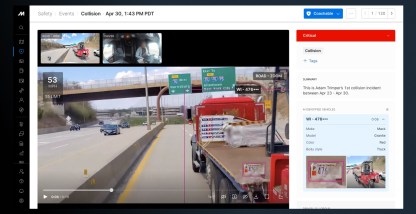
With Motive’s AI Dashcam and safety tools, fleets can:
- Detect harsh braking, speeding, harsh cornering, and other risky behaviors
- Coach operators with real video examples
- See how improvements in behavior line up with fewer repairs or failures
This closes the loop between safety and maintenance and protects both your people and your machines.
6. Keep records in one place
Regulators, insurers, and buyers all want proof that your equipment is maintained. Scattered files and handwritten notes make that hard.
Motive lets you store:
- Inspection reports and DVIRs
- Maintenance schedules and completed work
- Fault code history and mileage or engine hours
all in a single platform.
That makes it easier to:
- Show compliance during audits
- Answer questions after an incident
- Support higher resale values with a full service history
Construction equipment maintenance checklists and schedules
You do not need long, complex checklists to get value. Focus on the basics and make sure they are done consistently.
Here is a simple way to think about it.
Daily (operator)
- Walkaround inspection of critical safety and fluid items
- Visual check for leaks, loose parts, or obvious damage
- Function test of brakes, steering, and safety systems
Weekly (foreman or lead)
- Deeper checks of attachments, pins, hoses, and tires or tracks
- Clean filters and radiators if you work in dusty conditions
- Confirm that any open defects have been addressed
Monthly or by hours (shop or mechanic)
- Full preventive maintenance based on OEM guidance
- Oil and filter changes, lubrication, torque checks
- Software or firmware updates where applicable
With Motive, you can take whatever checklist structure you use today and:
- Turn it into digital templates in the Driver App
- Attach them to specific vehicles or equipment types
- Tie each checklist to a schedule, so nothing is missed or duplicated
This keeps your maintenance program structured without adding extra paperwork.
How Motive simplifies construction equipment maintenance
Many site managers already know what a “good” maintenance program should look like. The real challenge is making it work across busy jobsites, mixed fleets, and limited staff.
Motive helps by bringing everything together in one platform:
- Fleet Maintenance for schedules, tasks, and work history
- Equipment Monitoring for real-time location, engine hours, and utilization
- Vehicle and Asset Gateways for rich diagnostic data without manual meter reads
- Digital inspections and DVIRs in the Motive Driver App
- AI Dashcams and coaching to connect operator behavior to equipment health
For construction fleets, that means you can:
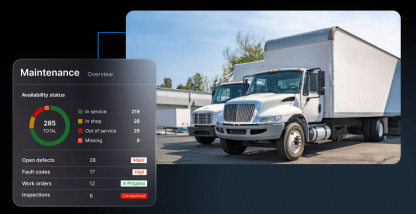
- See which equipment is available, healthy, and in compliance
- Plan maintenance around your schedule instead of reacting to breakdowns
- Protect your crews, budget, and reputation with less manual effort
If you are asking how to maintain equipment on a construction site without adding more work, Motive gives you the visibility, automation, and simplicity to do it right.