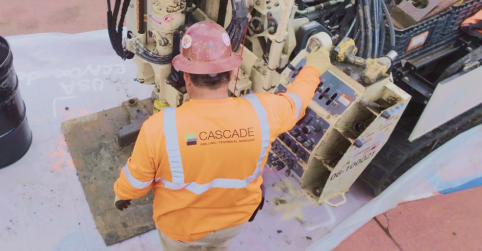



Equipment downtime is one of the most expensive operational challenges across industries like construction, field services, oil & gas, and trucking & logistics. When equipment is unavailable, even for a short period, it can halt projects, delay deliveries, increase labor costs, and disrupt customer commitments.
For businesses that rely on fleets and heavy assets, reducing equipment downtime isn’t just about maintenance — it’s about visibility, automation, and real-time insights.
Modern asset management platforms help operations teams track equipment health, schedule preventive maintenance, and detect issues before they cause costly failures. In this guide, we’ll explore practical strategies to reduce downtime and how choosing the right asset management technology can help keep your operations running smoothly.
What is equipment downtime?
Equipment downtime refers to any period when a machine, vehicle, or asset is unable to operate as intended. This can occur due to:
- Mechanical failures
- Maintenance issues
- Missing inspections
- Poor asset tracking
- Delayed repairs
There are two main types of downtime:
Planned downtime
Scheduled maintenance, inspections, or repairs.
Unplanned downtime
Unexpected failures that interrupt operations and cause delays.
While planned downtime is necessary to keep equipment safe and operational, unplanned downtime is what businesses must work to minimize.
For industries that depend on operational equipment — such as heavy machinery, service vehicles, drilling equipment, or freight trucks — even a few hours offline can result in significant losses.
Why reducing equipment downtime matters
When equipment fails unexpectedly, the impact goes far beyond repair costs.
Common downtime costs include:
- Lost productivity from idle crews
- Delayed project timelines
- Missed service commitments
- Higher emergency repair costs
- Increased safety risks
For example, if a construction crew arrives at a job site only to discover that a critical piece of equipment is unavailable, the entire schedule may be pushed back.
Reducing downtime helps your team have the equipment they need — when they need it.
7 Ways to reduce equipment downtime
1. Track equipment in real time
One of the biggest causes of downtime is lack of asset visibility. Many organizations simply don’t know where their equipment is or whether it’s being used efficiently.
Asset tracking technology allows operations teams to monitor equipment location and usage in real time.
With GPS-enabled asset tracking, companies can:
- Locate equipment instantly
- Prevent asset loss or theft
- Identify underutilized equipment
- Make sure equipment is available when needed
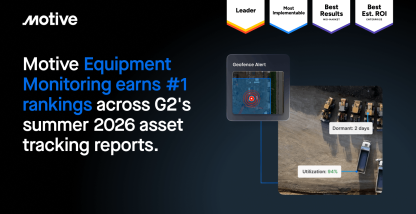
Solutions like Motive Asset Tracking provide real-time visibility across trailers, heavy equipment, generators, and other non-powered assets so teams can make faster decisions and avoid delays.
2. Automate preventive maintenance
Reactive maintenance, fixing equipment only after it breaks, is one of the biggest drivers of downtime.
Preventive maintenance helps teams stay ahead of failures by servicing equipment at the right intervals.
Asset management tools can automatically track:
- Engine hours
- Mileage
- Usage patterns
- Maintenance schedules
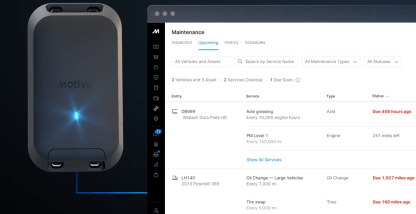
Platforms like Motive Equipment Monitoring can automatically generate maintenance alerts when service thresholds are reached. This helps teams complete maintenance before failures occur.
Benefits include:
- Fewer unexpected breakdowns
- Longer equipment lifespan
- Lower repair costs
- Reduced downtime
3. Monitor equipment health with telematics
Equipment problems rarely appear without warning. Most mechanical failures develop gradually and can be detected early through equipment diagnostics.
Telematics systems collect data directly from equipment and vehicles, allowing teams to monitor:
- Fault codes
- Engine diagnostics
- Performance issues
- System alerts
Using tools like the Motive Vehicle Gateway, operations teams receive real-time alerts when issues arise. This allows maintenance teams to respond quickly before small issues escalate into major failures.
4. Digitize inspections and reporting
Manual inspection processes often lead to delays in reporting equipment issues. Paper forms may sit unnoticed for days before maintenance teams are aware of a problem.
Digital inspection tools streamline the reporting process by allowing operators to submit issues instantly.
With digital inspection apps, teams can:
- Complete inspections from mobile devices
- Submit photos of equipment issues
- Automatically alert maintenance teams
- Track repair status
The Motive Driver App enables operators to complete digital vehicle inspections and report issues immediately, helping maintenance teams address problems before they lead to downtime.
5. Improve utilization with equipment insights
Another hidden cause of downtime is poor equipment allocation. Some assets may sit unused while others are overworked, increasing the likelihood of failure.
Equipment utilization insights help operations teams understand:
- Which assets are overused
- Which equipment is idle
- Where equipment demand is highest
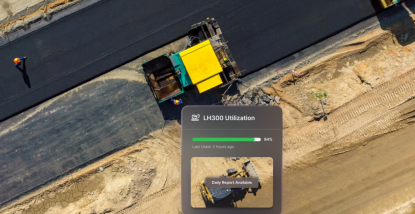
With centralized dashboards like the Motive Fleet Dashboard, teams can analyze asset performance and allocate equipment more efficiently across job sites or routes.
Balanced utilization reduces wear and tear, improving reliability across the fleet.
6. Use AI-powered safety and performance monitoring
Driver behavior and operational practices can also contribute to equipment damage and downtime.
Harsh braking, speeding, and aggressive driving can increase wear on vehicles and equipment components.
AI-powered safety solutions like the Motive AI Dashcam help organizations identify risky behavior and coach drivers before it leads to accidents or equipment damage.
Reducing incidents not only protects drivers but also helps keep vehicles and equipment in service longer.
7. Track Small Assets with Bluetooth Beacons
Losing track of smaller tools, attachments, and portable equipment can lead to costly delays when crews arrive on-site without the gear they need.
Bluetooth asset tracking gives operations teams an easy way to locate these high-value but hard-to-track items and confirm they’re where they’re supposed to be.
With Motive Beacon, teams can:
- Tag small equipment, containers, and tools with a rugged, discreet Bluetooth tracker
- See each asset’s last-seen location in the Motive Fleet Dashboard and Fleet App
- Use the Motive Mesh Network — made up of Motive Vehicle Gateways and Motive apps — to detect beacons as vehicles and crews move through yards and job sites
- Reduce time spent on “yard hunts” and improve confidence that the right equipment is headed to the right job
By extending visibility beyond large powered assets to the smaller tools that keep projects moving, Motive Beacon helps teams avoid delays, reduce replacement costs, and keep more jobs on schedule.
How to choose the best asset management tools for reducing downtime costs
Not all asset management platforms are built for operational industries. When evaluating a solution, look for tools that provide:
Real-time asset tracking
Know where equipment is at all times.
Automated maintenance alerts
Prevent failures before they happen.
Telematics and diagnostics data
Detect equipment issues early.
Digital inspections
Enable faster reporting and maintenance workflows.
Centralized asset dashboards
Monitor equipment performance across your entire operation.
The best solutions combine these capabilities into a single platform so operations teams can manage assets, vehicles, and equipment from one place, like Motive, which leading companies rely on to reduce downtime and keep operations running smoothly.
Reduce downtime with better asset visibility
Reducing equipment downtime starts with visibility.
When teams can track assets, monitor equipment health, automate maintenance, and detect issues early, they can prevent costly disruptions and keep operations moving.
For industries like construction, oil & gas, field services, and logistics, where equipment reliability directly impacts productivity, modern asset management tools are essential.
Platforms like Motive provide the real-time data and automation needed to keep equipment operational, reduce downtime costs, and make sure teams always have the tools they need to get the job done.