


Choosing the right fleet management software can make a measurable difference in how your operation runs — from reducing costs and downtime to improving driver safety and compliance. But with so many options available, how can you be confident you’re selecting the right one?
Running a fleet management software trial is one of the most effective ways to compare vendors and see which platform truly fits your needs.
If you’re wondering how to conduct a fleet management software trial or what to look for when evaluating different solutions, this guide outlines eight clear, practical steps to help you make a confident, data-driven decision.
What is a fleet management software trial?
A fleet management software trial is a short-term evaluation period — typically 14 to 30 days — where fleets test the platform’s features in real-world conditions before making a purchase decision.
It’s your opportunity to measure performance, ease of use, and support while confirming whether the software aligns with your fleet’s goals. Below are the core features to look for when evaluating fleet management software during a trial.
1. Define your goals and success metrics
Start by identifying what you want to achieve. Are you looking to improve safety, reduce fuel costs, streamline maintenance, or gain better visibility across assets?
Document clear, measurable goals such as:
| Goal | Example metric |
| Reduce fuel costs | Lower idling time by 10% |
| Improve driver safety | Reduce harsh driving events by 25% |
| Increase uptime | Prevent at least 3 unplanned maintenance incidents |
Defining metrics upfront gives your trial direction and makes sure you can objectively measure performance.
2. Select a trial group that represents your operations
Choose a representative sample of vehicles, routes, and drivers. For larger fleets, include at least one vehicle from each region or department.
Testing across different conditions gives you a complete picture of how the software performs across your operation — not just in one scenario.
3. Evaluate ease of setup and integration
A strong fleet management system should be easy to deploy and integrate with your existing tools.
During your trial, note how long it takes to install hardware (if required) and connect data sources like fuel cards, maintenance software, or payroll systems.
For example, Motive’s AI-powered Integrated Operations Platform integrates seamlessly with maintenance tools, fuel programs, and telematics hardware — reducing setup time and eliminating duplicate data entry.
4. Test core features that matter most to your business
Every organization is different, but certain features deliver the most value during a trial. Prioritize the capabilities that provide measurable insights into performance, cost control, and driver behavior.
- Real-time GPS tracking – Confirm that you can locate vehicles instantly and track route progress accurately to improve dispatch efficiency and customer communication.
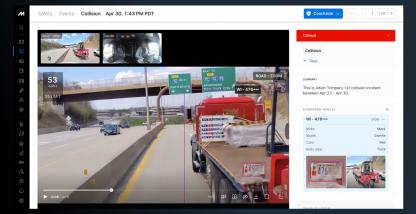
- Driver safety tools – Evaluate AI dash cams and alerts to see if they effectively reduce risky driving behavior.
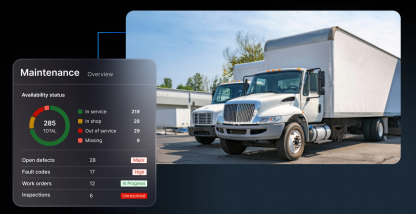
- Maintenance management – Review how the platform logs inspections (DVIRs) and engine fault codes, and how clearly that information is displayed for maintenance teams.
- Reporting dashboards – Test how quickly you can generate and share performance reports with your team.
Look for accuracy, reliability, and ease of use. The right software should give you the visibility and context you need to spot issues early and improve performance.
5. Involve drivers and managers in feedback
The people using the system daily should have input on how it works in practice. Drivers and fleet managers often experience the software differently, so gather feedback from both groups during your trial.
Ask drivers:
- Was the app intuitive to use day to day?
- Did alerts or coaching help you improve driving habits?
- Did completing inspections or routes through the app save you time?
Ask managers:
- Was it easy to access driver data and reports?
- Did the alerts and dashboards provide useful visibility into fleet performance?
- How well did the software integrate with your existing systems or workflows?
Platforms like the Motive Integrated Operations Platform make it easy for drivers to complete inspections, access route details, and receive real-time coaching through the Motive Driver App.
6. Measure data accuracy and reliability
Accurate data is essential for compliance, safety, and decision-making. During the trial, compare telematics data with your own logs — vehicle location, engine hours, or event timestamps.
If there are discrepancies, note how quickly support teams respond and resolve them. A trustworthy platform should deliver consistent, verifiable insights you can depend on.
7. Evaluate support and training
Customer support and onboarding are often overlooked in software evaluations. During the trial, test how responsive and helpful the provider’s support team is.
Do they offer onboarding sessions, training resources, and dedicated account management? Motive, for instance, provides hands-on setup assistance and personalized onboarding so fleets start seeing value from day one.
8. Review results and make a data-driven decision
At the end of the trial, compare your results against the goals you defined in step one.
Did you cut costs? Improve safety? Save time on administrative tasks? Use your findings to decide whether the software aligns with your long-term operational goals.
If your trial delivers measurable improvements, you’ll have confidence knowing the platform can scale with your business.
Your fleet management trial checklist
| Step | Key takeaway |
| 1. Define goals | Set measurable success metrics for your trial |
| 2. Select a trial group | Include different vehicle types, routes, and regions |
| 3. Test integrations | Check how easily the software connects to your systems |
| 4. Evaluate features | Focus on tracking, safety, maintenance, and reporting |
| 5. Gather feedback | Ask drivers and managers for real-world input |
| 6. Verify data accuracy | Compare platform data with existing records |
| 7. Test support | Evaluate response time and onboarding quality |
| 8. Review results | Decide based on measurable outcomes |
Frequently Asked Questions
What should I look for in a fleet management software trial?
Focus on accuracy, usability, ease of setup, and support. A good platform should deliver reliable insights and make managing your fleet easier — not more complex.
How long should a fleet management software trial last?
Most trials run between 14 and 30 days. That’s enough time to evaluate key features in real-world conditions and gather feedback from your team.
How do I know if the software is right for my fleet?
If the platform helps you improve safety, cut costs, and save time during the trial, it’s likely a strong, long-term fit.
How Motive helps fleets get results faster
Motive offers a comprehensive Fleet Management Platform that combines fleet management, driver safety, equipment monitoring, workforce management, and spend management in one, unified system.
With real-time visibility, AI-powered insights, and automated reporting, Motive helps fleets reduce downtime, improve safety, and increase efficiency.
Fleets can start with a trial or demo to see how the Motive platform performs in real-world conditions.
Conclusion: Turn your trial into a long-term advantage
A fleet management software trial isn’t just a test — it’s a chance to see how well a platform supports your goals, your team, and your customers. By setting clear objectives, measuring real results, and involving your drivers, you can make a confident, informed decision.
When evaluating vendors, prioritize accuracy, ease of use, and reliable support — qualities that help you get value fast.
Ready to see how the Motive AI-powered Integrated Operations Platform performs in your operation?
Start your trial or schedule a custom demo to see how Motive helps fleets reduce downtime, improve safety, and increase efficiency from day one.