



In an industry where margins are tight and fuel accounts for up to a third of total operating costs, every drop of fuel matters. Yet, gallons are lost daily to preventable waste, inefficient routes, and fuel fraud.
That’s where smarter, tech-driven strategies come in. Motive’s AI-powered tools give fleets real-time visibility into fuel consumption and driver behavior, turning everyday decisions into long-term savings. From automated fraud detection to optimized route planning, Motive helps fleets put every gallon to work.
As technology advances, data-driven fuel management solutions can help fleets optimize consumption. Route optimization, safe driving performance, and preventative maintenance are key components of a modern fuel conservation strategy. These tools provide fleet managers with the insights needed to identify fuel-wasting behaviors, prevent fraud, and ensure that every gallon purchased leads to productive miles.
The role of fuel cards in fuel conservation
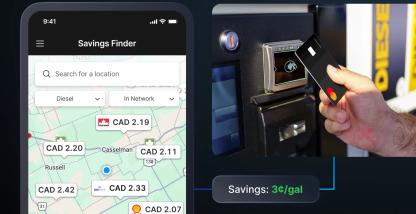
By now, fuel cards have evolved far beyond simple payment methods. The Motive Card matches fuel purchases to vehicle location, fuel tank capacity, and real-time pricing data to prevent fraud. Features like these protect against fuel fraud and ensure that drivers refuel at the most affordable locations.
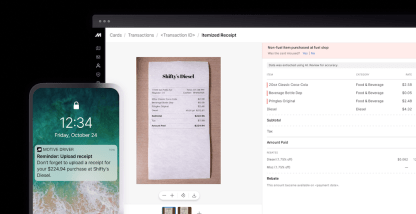
Fuel theft and unauthorized spending are big issues in transportation. Fleet fuel cards help combat this by identifying suspicious transactions, such as when a fuel purchase exceeds a vehicle’s tank capacity, or personal charges are made on the company dime. With real-time alerts and digital tracking, managers can reduce fuel fraud, set spending limits, and help drivers make better spending decisions.
Smarter fuel purchasing: Balancing cost and convenience
Professional drivers often select fueling stations based on familiarity, amenities, or convenience rather than price. While it’s understandable that a driver may prefer certain stops for shorter wait times, cleaner facilities, or better food options, these preferences may come at a premium.
Fuel prices can vary significantly within a short distance. A 30-cent difference per gallon on a full tank adds up to thousands of dollars in unnecessary fuel costs annually. With AI-powered fuel management tools, fleet managers can guide drivers toward the most affordable fueling locations along their routes without disrupting efficiency.
For regional or local fleets, on-site bulk fuel storage at the terminal can provide long-term cost savings by locking in wholesale pricing and eliminating reliance on retail stations. However, the quality of bulk fuel matters. Fuel contaminated with water or debris can lead to poor engine performance, low fuel economy, and costly maintenance issues. Regular fuel testing and proper storage procedures are crucial to performance and long-term savings.
Key fuel conservation strategies for fleet owners
Reducing unnecessary idling
Excessive idling is one of the most wasteful habits in trucking. A vehicle idling for just one hour burns approximately one gallon of fuel, meaning a fleet of 100 trucks idling for two hours per day could be wasting more than $200,000 in fuel costs annually.
Fleets can combat this waste by implementing idle shutdown policies that automatically turn off engines after a set period. They also play a critical role in educating drivers on the financial and environmental impact of idling.
Many fleets incentivize fuel-efficient behaviors, encouraging drivers to minimize idle time whenever possible. Auxiliary power units (APUs) provide another viable alternative for keeping the cab climate-controlled without running the main engine.
Preventative maintenance: The overlooked fuel saver
Well-maintained vehicles consume significantly less fuel. Underinflated tires, misaligned wheels, and dirty air filters all contribute to higher fuel consumption and increased wear on key components. Regular maintenance allows trucks to operate at peak efficiency, meaning fleets can conserve fuel and reduce repair costs.
Key maintenance areas affecting fuel efficiency:
- Tire pressure management: Proper inflation reduces rolling resistance, improving fuel mileage.
- Routine oil and filter changes: Clean oil and air filters contribute to smoother engine operation.
- Fuel system inspections: Water contamination or clogged injectors can reduce combustion efficiency and increase fuel burn.
Fleet managers who incorporate telematics-based maintenance tracking can proactively schedule servicing, preventing mechanical issues that lead to wasted fuel.
Optimized route planning: maximizing efficiency on the road
Poor route planning results in unnecessary mileage, increased fuel consumption, and wasted time. Without proper planning, drivers may take less direct routes, encounter traffic congestion, or fail to consider weather conditions that impact fuel economy.
Route optimization tools enable fleet managers to analyze important factors, such as:
- Real-time traffic data to reroute trucks away from congested areas.
- Terrain and elevation changes that affect fuel efficiency.
- The most cost-effective fueling stations along a planned route.
By planning trips in advance, fleets can reduce unnecessary miles, minimize delays, and maximize fuel efficiency without compromising delivery schedules.
Driver behavior and fuel efficiency
Driver behavior heavily influences fuel consumption. Aggressive driving, such as excessive speeding, rapid acceleration, and harsh braking, can reduce fuel efficiency by 20% or more.
AI dash cams provide real-time insight into wasteful driving habits, allowing fleet managers to:
- Identify speeding patterns that lead to excessive fuel use.
- Detect hard braking and rapid acceleration.
- Encourage cruise control, improving fuel economy by up to 7%.
Incentivizing drivers to adopt fuel-efficient habits, such as smooth acceleration, steady speeds, and reduced idle time, can lead to measurable fuel savings across a fleet.
The future of fuel management: AI-driven solutions
Fleet owners can no longer afford to rely on manual fuel tracking and outdated cost-control methods. The future of fuel management is data-driven. It leverages AI and telematics to automate fleet optimization, prevent fraud, and increase efficiency. A well-executed fuel conservation plan delivers:
- Lower fuel costs through strategic purchasing and route planning.
- Reduced fraud and unauthorized fuel transactions.
- Improved driver accountability and efficiency incentives.
- Extended vehicle lifespan through better maintenance and load management.
Fuel conservation builds a more sustainable, efficient, and profitable trucking operation. With the right mix of technology, driver education, and proactive planning, fleets can make sure every drop of fuel is used effectively, keeping them competitive in an industry where margins are tight and efficiency is key.