


For utility companies, whether electric, gas, or telecom, fleet performance is mission-critical. Crews must respond quickly to outages, maintain vast infrastructure, and work in unpredictable conditions, often on tight schedules. To keep operations running smoothly, utilities are turning to fleet telematics for greater visibility, efficiency, and safety.
Utility fleet telematics connects vehicles, equipment, and operators through real-time data. It helps utilities manage assets proactively, improve driver safety, and deliver uninterrupted service to the communities that rely on them.
What is utility fleet telematics?
Telematics combines GPS tracking, vehicle diagnostics, and data analytics to monitor the health, performance, and location of every vehicle and piece of equipment in your fleet.
For utility companies, telematics goes beyond basic location tracking. It gives fleet managers a deeper understanding of how their vehicles and equipment are performing in real-world conditions — helping them make smarter, data-driven decisions that improve:
- Fleet reliability and uptime
- Worker safety in the field
- Regulatory compliance
- Fuel and maintenance efficiency
By connecting vehicles, assets, and data into one platform, fleet managers can make smarter, faster decisions that keep operations productive and responsive.
Why telematics matters for utility fleets
Utility fleets face unique challenges — large service areas, emergency response demands, and mixed assets that include heavy-duty trucks, bucket trucks, and trailers. Without a platform that unifies safety, operations, and finance in one place, slight disruptions can add up to costly downtime.
Here’s how telematics helps address those challenges:
1. Improves fleet visibility and dispatch
Telematics provides real-time GPS tracking of vehicles and equipment, helping dispatchers locate the nearest crew or asset for faster service calls. When outages happen, every minute counts. With full visibility into vehicle location, route progress, and crew availability, fleet managers can quickly assign the right team with the right equipment to the right location.
This level of coordination reduces downtime for customers and keeps service restoration efforts efficient and transparent. In other words, better visibility leads to faster response — and faster response builds trust with customers who rely on uninterrupted service.
2. Controls fuel and maintenance costs
Fuel and maintenance often represent a significant portion of a utility fleet’s operating expenses. Telematics products offer detailed data on idling, route efficiency, and fuel usage. Telematics data on engine health, idling, and usage patterns enables proactive maintenance that lowers costs and extends vehicle lifespan.
3. Reduces downtime with predictive maintenance
Connected telematics systems track vehicle health in real time — monitoring engine faults, diagnostics, and mileage. Fleet managers can identify issues early and schedule maintenance before small problems lead to breakdowns, keeping vehicles ready for use.
4. Enhances driver safety and compliance
Utility crews often work long hours in demanding conditions. Telematics helps safety leaders identify wasteful or dangerous driving habits, including speeding, harsh braking, and fatigue, so leaders can coach drivers proactively. AI dash cams like the one from Motive, can also detect and alert to risky driving behavior, including close following and cell phone use, so driver awareness improves and accidents can be prevented.
5. Ensures compliance with regulations
Telematics provides the data fleets need to comply with DOT regulations or utility-specific standards. Automated logs, inspection reports (DVIRs), and maintenance histories ensure all vehicle activity and upkeep are accurately documented in real time. When regulators request proof of inspections, service records, or compliance with DOT standards, these digital records are readily available — eliminating manual paperwork, reducing errors, and preventing missed documentation that could lead to fines or failed audits.
Key features to look for in utility fleet telematics solutions
When evaluating telematics systems for your utility fleet, look for features built to handle heavy workloads, mixed assets, and field-based operations. To get the most value from your telematics investment, make sure your system includes the following core features:
- Real-time GPS tracking and geofencing. See where every vehicle and asset is at all times to improve dispatch, response times, and asset security.
- Engine diagnostics and fault code reporting. Instant alerts on vehicle issues help you fix problems early and reduce downtime.
- Safety scores to identify driver performance. Track driver behavior trends to recognize top performers and quickly spot areas for improvement.
- Maintenance scheduling and automated reminders. Plan preventive maintenance based on mileage or engine hours to reduce breakdowns and extend vehicle life.
- Fuel tracking and idle time reporting. Monitor fuel use and idling to identify waste, improve efficiency, and lower operating costs.
- Asset tracking for trailers, generators, and heavy equipment. Get real-time visibility into equipment location and utilization to prevent loss and improve asset allocation.
- Mobile access for field crews. Through the Motive Driver App, field teams can view routes, log inspections, and receive updates directly from their mobile devices. This helps keep communication, compliance, and coaching simple, even in the field.
How Motive supports utility fleet operations
Motive’s Integrated Operations Platform gives utilities a unified view of vehicles, assets, and drivers — all in one place.
With real-time tracking, automated alerts, and AI-powered insights, utility fleet managers can:
- Respond to outages faster
- Reduce maintenance costs and downtime
- Protect crews with AI-powered safety technologies. Use Motive’s AI-powered dash cams and real-time telematics data to detect risky driving, prevent collisions, and support proactive safety coaching in the field.
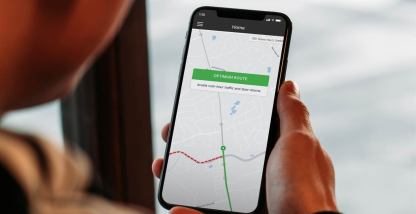
- Optimize routes and fuel usage
- Stay compliant with regulatory requirements
Whether managing a few dozen vehicles or thousands of them across regions, Motive’s connected fleet solutions empower utilities to work safer, smarter, and more efficiently.
Conclusion: Smarter utilities start with connected fleets
In the utility industry, finding a way to create more uptime is essential to running a productive, profitable fleet. Telematics gives fleet managers the insight and control they need to deliver reliable service, reduce costs, and protect every crew member in the field.
With a unified platform like Motive’s, utilities can transform fleet operations from reactive to predictive — and power a safer, more efficient future.