


Fleet technology like dash cams and vehicle tracking systems can significantly improve public safety, protect workers, and reduce operational costs. But for many public sector organizations, getting leadership and union support can be challenging.
Whether you’re a fleet manager for a city agency, utilities department, or public transit authority, introducing dash cams or GPS tracking means navigating organizational complexity — including legal, ethical, and cultural considerations.
Here’s how to approach it with buy-in, transparency, and trust at the forefront.
1. Lead with safety benefits — for everyone
Safety is a shared priority. Frame dash cams and tracking as tools that protect drivers, not punish them.
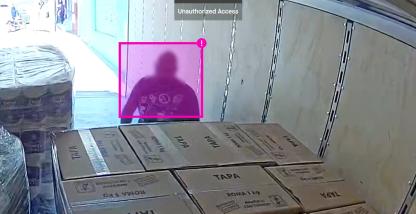
Dash cams can exonerate drivers from false claims, provide visibility into risky situations, and even enable quicker emergency response. Most pivotally, through real-time alerts, modern dash cams can reduce unsafe driving behaviors such as distracted driving, close following, and unsafe lane changes — making drivers more aware of their unsafe habits.
Tracking systems help dispatchers locate vehicles faster during crises, pinpointing their exact location. As a result, teams can respond quickly during an emergency, reaching drivers in the most critical moments.
Here’s an example talking point you can use when speaking to leadership, unions, or drivers about dash cams:
“This isn’t about surveillance — it’s about making sure you get home safe after every shift. If something goes wrong on the road, this tech makes sure your side of the story is clear.”
2. Show the data — and the value
Public budgets are scrutinized, so you need to show potential for a strong return on investment. Use case studies, vendor data, or comparative city examples to demonstrate the benefits of dash cams, such as:
- Reductions in accidents and legal claims
- Insurance cost savings
- Decreases in vehicle and equipment misuse, fuel-wasting driving habits, or idle time
- Faster resolution of citizen complaints
Did you know? Fleets using AI dash cams have seen up to an 89% reduction in incidents. That’s a win for budgets and people.
3. Make privacy and fairness non-negotiables
Address concerns early. Collaborate with unions or employee groups on:
- Clear privacy policies (e.g., no inward-facing cameras when off-duty)
- Access controls for who can view footage
- Defined use cases for exoneration and driver coaching
- Transparent incident review processes
| Proactive guardrails ease resistance and demonstrate respect. |
4. Start with a pilot and shared evaluation
Instead of rolling out technology system-wide, start small, with a pilot program in one department or unit. Invite union reps or frontline employees to be part of the evaluation process.
- Collect feedback
- Monitor results
- Use the results to refine your safety policies and program
| Involving workers in early stages builds trust and strengthens outcomes. |
5. Emphasize partnership, not policing
Union and executive buy-in isn’t just about facts — it’s about tone and trust. Position dash cams and vehicle tracking as a partnership between labor and management.
- Frame it as protection, not punishment
- Focus on education and reducing liability
- Keep the emphasis on the technology’s impacts: safety, fairness, and service delivery
The bottom line
For public sector fleets, getting buy-in on dash cams and tracking systems starts with transparency, empathy, and evidence. When you involve stakeholders in the conversation early, lead with safety, and stay people-focused, you pave the way for smoother adoption — and better results for the communities you serve.
Ready to bring the benefits of dash cams to your agency? Learn how Motive supports public sector fleets.