

This guide explores how fleets can use both incentivization and gamification to make driver safety fun, competitive, and rewarding, all while delivering real improvements in safety outcomes and operational efficiency. Whether you’re just starting or refining an existing program, these strategies will help you align your team around safer driving behaviors.
What is gamification and incentivization?
Gamification incorporates game-like elements, such as rankings, points, and rewards, into everyday tasks to enhance engagement and motivation. Incentivization involves offering bonuses, recognition, or other rewards to encourage desired behaviors. Together, they create a framework that promotes friendly competition and consistent performance improvements.
Why accurate data matters
Accurate and timely data is essential for the success of any gamification or incentive-based program. It ensures that performance is measured fairly and transparently, building trust among drivers and providing managers with clear insight into behavioral trends, safety risks, and driver coaching opportunities.
Gamification strategies with Motive
With tools like Motive’s real-time leaderboards and driver performance dashboards, fleets can encourage healthy competition. Drivers are motivated to perform better when they can see how they compare to their peers.
Building a structured incentive program
A successful incentive program is structured, consistent, and aligned with specific safety metrics. Key elements include weekly or monthly bonus systems, annual performance rewards, and clearly defined criteria for earning incentives. This structure drives improvement and reinforces long-term behavior change.
Recognizing coaches and managers
Safety coaches and fleet managers play a crucial role in guiding drivers and enforcing program standards. Recognizing their contributions, through internal awards, performance bonuses, or peer recognition, strengthens the program’s impact and helps sustain momentum across the team.
Commercial fleets face intense pressure to improve safety, retain drivers, and reduce costs: increased road risk, high turnover rates, and the sedentary nature of the job compound these challenges. But there’s a powerful tool that can help fleets address these issues head-on: gamification.
Fleets can transform their culture, increase engagement, improve safety, and deliver measurable long-term value by combining metrics like the Motive Safety Score, telematics data, and even health initiatives with game-like elements.
This post examines how fleets can utilize gamification to transform their culture, attract top drivers, and enhance road safety.
Game on!
What is gamification, and why is it so important?
Gamification is a method of integrating game-like elements, such as points, rewards, leaderboards, and competitions, into non-game contexts to drive engagement and motivation. For commercial fleets, gamification transforms routine tasks, such as safe driving, into exciting challenges that drivers can actively participate in.
The value of gamification lies in its ability to make mundane or complex tasks enjoyable and rewarding. Drivers are more likely to engage in safety practices, embrace health and wellness programs, and commit to ongoing improvement when they’re recognized and rewarded for their efforts. This, in turn, builds trust, boosts retention, and reduces turnover.
The power of telematics and transparency
At the core of any gamification strategy is the ability to accurately track and reward behavior. Motive customers have an advantage when designing a gamification program. The Motive Safety Score offers accurate visibility into driver performance that fleets need when developing a gamification program. Track and assign a point value to behaviors such as:
- Cell phone use
- Unsafe lane change
- Close following
- Stop sign violation
- Distraction
- Speeding
Using these data points in a gamification program is only possible if the detection of those actions is accurate. If a fleet’s dash cam or telematics system fails to capture the full picture, misinterpreting safe driving as risky behavior or missing key events, drivers may feel unfairly penalized. Worse, they could lose trust in the system, your program, and you as an employer.
The Motive Integrated Operations Platform, which includes Motive AI Dashcams and fleet management solutions, offers second-to-none event detection, giving drivers and managers confidence that they’re being accurately evaluated. Transparency like this is crucial. It ensures that drivers are rewarded for their efforts and aren’t penalized for behaviors they didn’t commit. Fleets need systems they can trust to deliver accurate data. The Motive platform provides that trust.
Driving engagement and improving safety with gamification
Now that we’ve established the importance of having accurate data, let’s explore specific gamification strategies fleets can implement using the Motive Safety Score. Utilize Safety Scores to engage drivers, enhance safety, and reduce costs. The Motive Safety Score makes it easy to:
- Pinpoint exactly who your fleet’s top performers are.
- Highlight excellent drivers with recognition or bonuses.
- Reward drivers who are consistently improving.
Leaderboards and real-time feedback
Gamification thrives on competition. A leaderboard that ranks drivers based on their Safety Scores is one of the simplest, most effective ways to boost engagement.
“Drivers like the score. They’re asking what their score is, how they can improve it. There’s real accountability and pride.” — David Hollis, Safety Manager, FTC
Here are ways Safety Scores help motivate drivers.
- Easily identify top performers – Recognize drivers with the highest Safety Scores through weekly, monthly, or quarterly leaderboards. Reward top drivers with points, cash bonuses, or tangible prizes like gift cards, branded merchandise, or paid time off.
- Real-time feedback – Motive provides real-time feedback on driver performance, enabling drivers to correct unsafe behaviors immediately. Features like this help drivers stay engaged and continuously improve their scores.
- Incentivizing improvement – Reward not just the top performers, but also those making meaningful progress. Recognize drivers who raise their Safety Scores, reduce specific unsafe behaviors, or complete coaching milestones. Progress-based incentives show that every step toward safer driving matters, and that improvement is just as important as excellence.
Why it’s valuable: Consistent recognition and real-time feedback keep drivers motivated, improve behavior behind the wheel, and lead to fewer accidents and lower claim frequency.
Points and rewards for clean roadside inspections
One key area where drivers can be rewarded is clean roadside inspections. Inspections are critical for maintaining fleet compliance and safety, and rewarding drivers for successful inspections reinforces a culture of accountability.
- Points for inspections. Offer drivers 200 points or $50 in cash for each perfect roadside inspection, with no defects cited.
- ‘No defects’ streaks. Motivate drivers to maintain flawless inspections by introducing cumulative rewards. For example, five consecutive perfect inspections could lead to bigger rewards, such as $300 in cash or a larger prize.
- DVIR element. A key to roadside inspection rewards should be the completion of a DVIR.
Why it’s valuable: Every perfect inspection results in fewer violations, a better compliance record, and lower FMCSA penalties, directly impacting the bottom line.
Physical prizes for safety and wellness milestones
Gamification is also about offering physical prizes for reaching safety and wellness milestones, which adds an extra layer of motivation:
- 500 points: Branded items like Yeti cups, company shirts, or travel mugs.
- 1,000 points: High-quality jackets, fitness gear, or premium tools.
- 3,000 points: Watches, high-end fitness equipment, or home gym memberships.
- 5,000 points: Vacations, tech gadgets like Bluetooth headsets, tablets, or weekend getaway experiences.
This tiered rewards system enables drivers to track their progress and strive for meaningful, high-value rewards.
Why it’s valuable – Physical rewards build loyalty and improve driver retention, making drivers feel valued and appreciated. They also give drivers something to strive for from day to day.
Health and fitness challenges
One of the greatest risks for drivers is poor health, often resulting from long hours, limited physical activity, and high stress. Incorporating health and fitness challenges into your gamification program can improve driver well-being, reduce absence, and even lower health-related insurance premiums.
- Step count challenges – Use fitness trackers to monitor drivers’ step counts, rewarding them with points or cash for reaching daily or weekly goals.
- Meal logging and healthy eating – Offer double points for drivers who log healthy meals or avoid fast food, encouraging better nutrition on the road.
- Mental health challenges – Use mindfulness apps to reward drivers for completing stress-relief exercises, meditation, or sleep-tracking activities.
Why it’s valuable – Healthier drivers are more focused, experience fewer health-related absences, and are less likely to get into accidents, driving down both workers’ compensation and health insurance costs.
Team-based competitions
Create a sense of camaraderie and teamwork with team-based safety and wellness competitions:
- Regional or shift-based teams – Divide drivers into teams by region, shift, or department, and offer group rewards for the highest collective Safety Scores. Group rewards could include team lunches, wellness days, or even charitable donations made in the team’s name.
- Team health competitions – Organize fitness challenges where teams compete to log the most steps, exercises, or healthy meals, with rewards for team victories.
Why it’s valuable – Team-based competitions boost engagement and foster a positive work culture, improving both safety and retention.
Incentivizing coaches
Remember to recognize your top-performing coaches as well. Motive’s coaching reports make it easy to measure and track their progress. Reward those with top-performing drivers or drivers who are consistently improving.
Accurate, transparent, and engaging dashcam insights
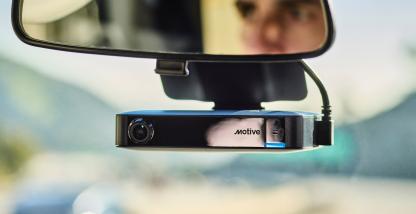
Accuracy and transparency are critical when building a trust-based relationship between drivers and management. Motive’s AI-powered dash cams provide the most accurate event detection and real-time insights available in the industry. Accurate detection ensures that drivers are only penalized for real infractions and rewarded for true improvements in their behavior.
The trust factor – If drivers feel that the telematics system is wrongly labeling safe conduct as hazardous, they may become disengaged, distrusting both the dash cam and fleet management. This could lead to a decline in motivation, reduced participation in gamification programs, and overall lower performance. Motive’s system provides complete visibility, allowing fleets to avoid these pitfalls and genuinely increase driver engagement.
Why it’s valuable – Trust in the system builds trust in the company. When drivers know they’re being fairly evaluated, they stay motivated and engaged, leading to better performance, fewer accidents, and stronger retention.
Long-term value, savings, and cultural transformation
By combining the power of gamification with Motive’s real-time, transparent telematics system, fleets can transform both their safety record and their culture. Engaged drivers aren’t just safer, they also tend to be healthier, happier, and more dedicated.
The benefits of safer performance are clear:
- Reduced claims frequency and exposure
- Lower workers’ compensation rates
- Better driver retention and recruitment
- Improved highway and fleet safety
- Lower operational costs, thanks to fewer violations and accidents
Does implementing a safety program carry expenses? Yes, but it pays for itself in numerous ways. Fleets that invest in accurate, transparent safety technology like Motive’s will see these improvements translate directly into long-term savings and a stronger bottom line. Gamification doesn’t just change driver behavior; it changes the entire culture of your business, driving value, safety, and success.
Learn how the Motive platform can provide the accurate, transparent data you need to engage drivers, improve safety, and transform your culture at gomotive.com.
A complete incentive program built on the Motive Safety Score
To move beyond basic leaderboards and bonuses, fleets need a structured, tiered incentive system that rewards more than just perfection; it should encourage participation, progress, and proactive behavior. The following incentive model is designed to give fleet managers a clear, replicable roadmap to deploy a program using the Motive Safety Score and associated safety insights:
Core point system
Drivers earn monthly points based on safety performance, DVIR compliance, and behavior improvement:
- 50 points/month – No critical events flagged by Motive AI (distraction, close following, etc.)
- 25 points/month – No vehicle incidents or violations
- 10 points/month – Coaching completed within 72 hours of assigned session
- 10 points – Per roadside inspection with no violations (bonus +10 for clean Level 1)
Spot awards (25–50 points) – Given at manager discretion for “above and beyond” moments: assisting motorists, mentoring new drivers, or stepping up during breakdowns or adverse weather
Milestone recognition tiers
As drivers accumulate points, they unlock physical or experiential rewards that are meaningful and motivational:
- 500 points – A safety-branded jacket, hydration pack, or Yeti mug
- 1000 points – Premium tools, quality duffel, or noise-canceling headphones
- 2500 points – Smartwatch, wearable fitness device, or premium outerwear
- 5000+ points – Weekend getaway package, home gym setup, or high-end electronics (TVs, speakers, etc.)
These rewards rotate quarterly and can be customized by the fleet. What matters is having a variety of rewards with increasing value to keep drivers engaged.
Monthly safety spotlight
Each month, feature a “Top Mover.” The driver who improved their Safety Score the most, and an “MVP,” the highest Safety Score holder. Share their stories internally or through a newsletter, featuring photos, short interviews, or handwritten thank-you notes from leadership.
Why it matters: Recognition fosters pride, drives performance, and humanizes data. Every driver wants to be seen.
Team-based competitions
For larger fleets, introduce team safety challenges based on regions, shifts, or dispatch units:
- The highest average Safety Score wins a catered lunch, team shirts, or a donation in their name to a charity of choice
- The team with the cleanest DVIR streak wins a paid half-day Friday or wellness kits
- Regional champions are featured in internal newsletters or safety calls
Team dynamics add friendly pressure and accountability, often elevating baseline performance across the board.
Operations management plays a major role in driver performance. Improvements at the group level often translate into meaningful gains for the entire business. Consider gamification for these front-line management groups as well, extending all the way to regional, district, and OpCo groups. Recognizing frontline leadership not only boosts morale but also drives accountability and engagement at every layer of operations. By empowering managers with visibility into driver behavior, maintenance compliance, and safety metrics through tools like Motive’s Fleet Dashboard or Safety Score reporting, you create a culture where proactive management is both visible and valued. This visibility allows leaders to spot trends, intervene early, and directly contribute to the safety and performance outcomes of their teams.
While the reward, incentive, or recognition may take different forms (a bonus, gift card, or public recognition, for example), the reason for recognition of these leaders may include:
- A reward for timely coaching, recognizing the manager with the most timely coaching each month
- Best group Safety Score by manager, region or OpCo
- Managers with zero HOS violations within their workgroup
- Managers with the best idle time and fuel usage within their workgroup
- Managers with zero past-due PMs within their workgroup
Year-end safety summit or recognition event
Invite top performers to a company-wide annual celebration with awards, guest speakers, and live leaderboard reveals. This recognition event can be digital or in-person, providing a capstone to your program that reinforces its seriousness.
A structured incentive program built on the Motive Safety Score doesn’t just improve behavior, it reshapes your culture. You retain drivers, reduce claims, and prevent injuries. Even prove due diligence. And perhaps most importantly, you show people they matter.
You don’t need a massive budget or a fancy platform to get started. Start with the data you already have on the Motive platform and build from there.
Want help launching a high-impact driver rewards program using Motive’s Driver Safety Solution?
Let’s build it together. Visit gomotive.com or talk to your Motive representative to get started.