


Drive the A44 through the Cotswolds and, at the time of publication, you would see a roadside board warning of 39 casualties. It’s updated as the numbers change, a reminder that this corridor has regularly claimed lives for many years. For lorry drivers and operators running across rural A-roads, it also serves as a warning.
Why the A44 is so unforgiving
The A44 is a mix of long rural straights, blind crests, steep descents, and tight bends stretching from Oxfordshire to the Welsh coast. It’s a scenic route, but it was never designed for today’s 44-tonne artics, let alone high volumes of cars, motorbikes, and tourist traffic. Throw in cyclists and farm vehicles, and the potential for collisions is even higher. While many of the 39 casualties involve cars and motorbikes, several have included lorries. When a heavy goods vehicle (HGV) is part of a fatal crash on a road like the A44, the consequences dramatically increase.
What happens after a serious HGV crash
When a lorry is involved in a fatal collision, the police lead the investigation, but the operator is rarely just a bystander. Inspectors from the Driver and Vehicle Standards Agency (DVSA) will examine the vehicle condition, maintenance records, and drivers’ hours. If shortcomings are uncovered, the traffic commissioner can call the operator, and sometimes the transport manager, to a public inquiry.
The outcomes range from undertakings to curtailment, suspension, or even revocation of the Operators license (O-licence). Drivers may even face conduct hearings. For an operator, it’s about compliance, reputation, and survival. Without an O-licence, you don’t run.
The real cost of a fatal crash
Beyond the human tragedy, the Department for Transport estimates the cost of preventing a single fatality to be approximately £2 million. For haulage operators, the true financial hit goes even further. It includes downtime, legal fees, rising insurance premiums, reputational damage, and the operational challenge of losing both vehicles and drivers. One catastrophic collision can leave a business under regulatory scrutiny and in financial turmoil for years.
Where visibility makes the difference
The question for operators is not whether roads like the A44 carry risk; they do. Rather, the question is how do you defend your people, your licence, and your business? That’s where Motive comes in.
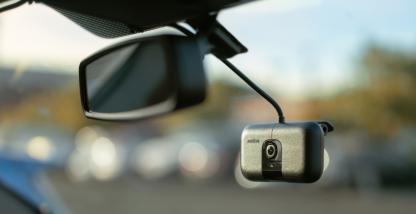
Motive AI dash cams offer dual-facing visibility, detecting distractions, tailgating, and harsh driving, among other features, all while recording clear, high-definition (HD) footage. On rural A-roads, where liability is often disputed, video evidence provides insurers and investigators with the facts quickly, often reducing claim times and exonerating drivers when they’re not at fault.
The Driver App for digital walk-around inspections ensures that pre-trip checks are logged and time-stamped, and that defects are recorded and resolved. Investigators don’t have to wonder whether a vehicle was roadworthy; they’ve got the digital record to prove it was.
Meanwhile, Motive’s maintenance tracking tools tie service reminders to mileage, hours, or dates, so that fleets can automatically keep up with tyre checks and servicing. When an MOT or inquiry looms, you’ve got centralised, defensible records ready for DVSA or insurers.
What the sign is really telling us
That roadside sign on the A44 isn’t just a warning to motorists. It’s a message to the haulage industry. High-risk roads demand higher standards. Operators can’t afford to run on luck or after-the-fact paperwork. They need visibility, accountability, and systems that defend both drivers and O-licences when the worst happens.
With Motive, fleets gain a unified platform that helps organisations address driver behaviour, vehicle condition, and compliance in one place. Fleets can turn near misses into lessons and risk into awareness. The platform gives operators the evidence they need to protect their people and their business.
Safety isn’t a matter of luck, it’s a matter of visibility. With Motive, fleets gain the clarity and control they need to protect drivers, safeguard their business, and ensure every journey ends safely.