


Discover how public sector fleets and agencies are using this technology to improve safety, efficiency, and service quality.
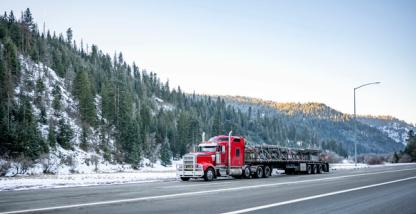
Public sector agencies — including public works, public transit, and utilities — are essential to keeping cities functioning and communities safe. These teams manage diverse fleets, navigate tight budgets, and must meet high standards for safety and service. As challenges grow, leaders in the public sector are turning to computer vision and AI to gain better visibility, reduce risk, and do more with less.
What is computer vision and AI?
Computer vision is a type of artificial intelligence (AI) that allows machines to process and analyze visual data. It can detect objects, identify unsafe conditions, and monitor activity in the real world, in real time. In public sector fleets, these technologies can help improve driver behavior, reduce risk, and verify service.
Additional layers of AI can be applied to computer vision that allow for automated workflows. For example, if a risky driving behavior is detected, AI can determine the severity of that behavior and issue an alert to the driver and manager.
According to Motive’s Physical Economy Outlook 2024, 76% of leaders want to use AI for visibility across operations. Despite that interest, only 25% are currently using AI, leaving a significant opportunity for public sector leaders to adopt these technologies and stay ahead.
Improving safety with AI-powered monitoring
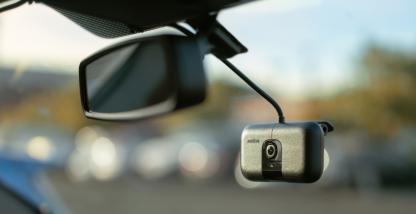
Public sector workers often face risk-heavy conditions, whether repairing infrastructure, operating large vehicles in tight urban settings, or responding to emergencies. Computer vision and AI, such as Motive AI Dashcams and 360° cameras, provide complete visibility and real-time alerts to improve fleet safety.
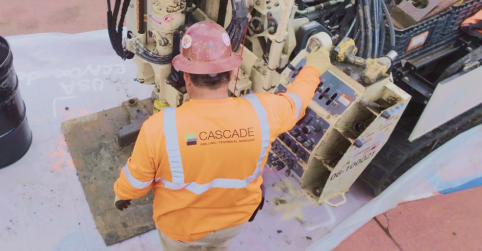
These systems can detect unsafe driving behaviors such as cell phone use, distracted driving, and stop sign violations, alerting drivers and supervisors to unsafe habits before accidents occur. Modern 360° cameras can be used to ensure that safety protocols are being followed, workers are wearing PPE, and that workers are protected when working in bucket trucks or other high-risk vehicles.
Boosting fleet productivity and utilization
For public sector fleet and asset managers, uptime is everything. Through advances like automation and AI, today’s systems provide greater visibility into fleet performance, allowing agencies to reduce fuel waste and schedule proactive fleet maintenance before breakdowns happen.
With Motive, fleet managers can ensure that the right vehicles and equipment are available and in top condition — from pickup trucks and work vans to bucket trucks, trenchers, and cable-laying machines. The result is fewer delays, faster response times, and better use of taxpayer dollars.
Motive gives us a more complete view of what’s actually happening on the road with our drivers and our vehicles. Now I have one solution to handle telematics, driver coaching, video and maintenance.
Preventing theft and protecting public resources
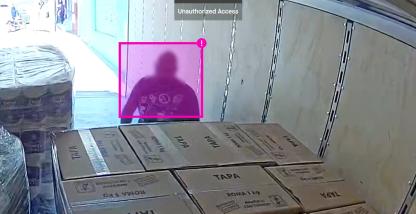
Theft and misuse of public assets can be a costly problem. With 24/7 camera visibility and GPS tracking, agencies can better monitor high-value assets and ensure they’re being used appropriately.
Rather than tracking isolated incidents, computer vision and AI offer context that helps agencies investigate concerns, address problems quickly, and prevent repeat issues — safeguarding both drivers and equipment.
Improving service delivery and public trust
Public agencies need reliable ways to confirm that services are being delivered as planned. Video captured by AI can verify that crews are on-site, tasks are completed, and equipment is used correctly — helping improve service quality and accountability.
Whether it’s documenting snowplow routes, verifying trash pickup, or reviewing an incident in the field, real-time footage and historical video provide agencies with clarity and transparency when it matters most.
The time to act is now
Computer vision and AI are already driving results in the public sector. Agencies that adopt these technologies are improving safety, boosting productivity, and strengthening public trust.
See how these technologies can benefit your business.