Products
Why AI accuracy and benchmarking matter in safety-critical environments.
Explore accurate AI’s impact on fleet safety and operations, and see the measurable results Motive customers achieved.
Solutions
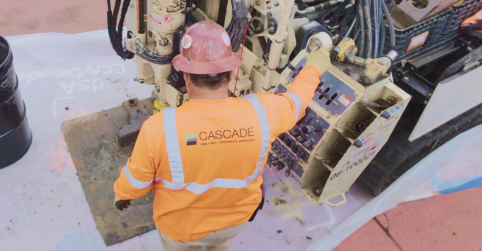
Cascade improves safety by 50%, reclaims ~10K hours per year.
With the Motive platform, Cascade has a consolidated view of fleet and spend management across its fleet of more than 3,000 vehicles.
Resources

Ranked #1 by real customers on G2.
Read our customer reviews and learn why we have a 99% satisfaction score.
Company

Watch the Vision 26 keynote.
See everything announced at Motive’s annual innovation conference, including AI models, automations, and hardware.
CUSTOMER CASE STUDY
How Rancho Tree Services saved $2 million in litigation and reached 93% asset utilization with Motive.
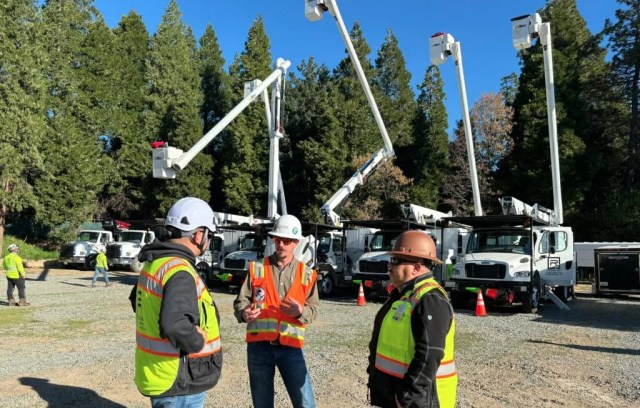
Motive helped this California utility vegetation contractor connect safety, equipment, spend and workforce data across 658 vehicles and more than 450 drivers.

Overview
Rancho Tree Services manages utility vegetation work in California, where crews, vehicles, and specialized equipment need to move as conditions change. Before Motive, the team relied on driver and project-manager check-ins to understand what was happening in the field. That made it difficult to connect driver behavior, incident context, equipment location, fuel activity, and operational reporting.
Rancho used the Motive Platform to build a more connected operating process. The technology was only part of the change. Rancho paired visibility with cross-functional coaching, incentives for safe behavior, and a Copilot program that moved navigation and project-manager communication away from the driver. Additionally, Rancho deployed Motive Workforce Management to address critical blind spots around driver credentials and field labor tracking, turning previously manual compliance tasks into automated reporting.
2 Million
Saved in litigation fees
228%
Improvement in miles driven without a cell phone event
50%
Time savings with Motive Analytics
Key results at a glance with the Motive Platform
- Approximately $2 million in litigation savings reported across up to four cases defended with Motive AI Dual-Facing Dashcams.
- Zero at-fault vehicle incidents reported since early 2024, with approximately 12 driver exonerations in the past two years.
- A 228% improvement in miles driven without a cell phone event, a 63% improvement without a close-following event, and a 29% improvement without a stop-sign violation
- 93% asset utilization, up from approximately 65% in year one, with a stated goal of 100% by the end of 2027.
- $836,000 in total savings reported over 3.5 years, plus approximately 6% fuel savings per driver per week across the heavy-duty fleet and 1.7% savings on Motive Card
- Approximately $3,000 in fuel fraud identified over six months through Motive Card data.
- 50% reduction in time spent building reports and ability to rightsize administrative team from six to two people with assistance of AI Analytics
What operational challenges did Rancho need to solve?
Rancho needed a reliable way to see driver behavior, incident context, equipment location, and fuel activity across their growing utility vegetation-management operation. Additionally, Rancho faced hidden compliance risks due to expired driver credentials. They also couldn’t distinguish active equipment usage from simple idling at job sites or laydown yards.
Before Motive, the team had limited telematics data. Managers gathered information through calls and check-ins, then tried to assemble a picture of the operation after the fact. Specialized equipment — including chippers, bucket trucks, and aerial lifts — could sit in yards while still costing Rancho via insurance premiums, leases, and maintenance fees.
Chris Cardenas, fleet director at Rancho Tree Services, described the starting point this way: “The visibility was very limited from the beginning,” says Cardenas. “Without telematics, we couldn’t collect any type of data. It was more of a manual process: check-ins from drivers, check-ins from project managers, and me trying to create a picture from that.”
In Cardenas’ first year, approximately 35% of equipment was not being used. The operational question was no longer simply where an asset was. Rancho needed to know whether it was working, whether another crew needed it, and whether the company could avoid a last-minute rental or purchase.
The team also needed to build trust around cameras. Drivers had to understand that footage could protect them during a disputed incident, not just evaluate their behavior.
How did Rancho Tree Services implement Motive across safety, equipment, spend, and reporting?
Rancho used Motive to bring safety, equipment tracking, fuel controls, workforce information, and reporting into a connected operating process.
The transition from their previous provider took only about five days from signing through installation. Cardenas said the rollout did not require his team to stop its work:
“From signing the agreement to installing the devices and cameras, Motive helped make it a smooth process. It didn’t require all hands on deck from my team — that showed the future of what the partnership was going to look like.”
Rancho then built the program around people and process, not hardware alone. The team combined AI Coach with human coaching, incentives, cross-functional ownership, and a Copilot program. Fleet, operations, and safety leaders matched coaching responsibility to the risk, region, and driver context.
To streamline coaching, Rancho effectively treats AI Coach as a “department.” The AI automatically routes and handles dynamic, event-based infractions like harsh turns and harsh braking, allowing fleet and safety managers to focus their time and human coaching entirely on higher-severity risks like speeding.
Drivers were more receptive to some AI Coach feedback than to conversations with their immediate supervisors, according to Cardenas. Receiving automated, objective feedback directly through the Motive mobile app removed the friction and awkwardness of one-on-one supervisor reprimands, leading to faster behavioral corrections.
The Copilot program gave passengers responsibility for navigation and project-manager communication, helping keep the driver’s hands off the phone while creating an incentive for the passenger role. That combination of coaching, incentives, and clear roles gave Rancho a repeatable way to work on safety behavior while preserving driver trust.
How did Motive footage help Rancho Tree Services support drivers and defend claims?
Rancho uses Motive AI Dashcam footage, event data, and telematics to explain what happened during a road incident from detection through driver response.
The team shares that evidence with underwriters and its broker. Instead of relying on a partial account, Rancho can review the sequence of an event, including when the vehicle entered the frame and when the driver applied the brakes.
Cardenas connected that evidence to several litigation cases, stating: “I can’t recall how many times I heard, ‘If you didn’t have the cameras, this could have been a bad turnout for Rancho Tree Services.’ The three to four litigation cases saved us right around $2 million — all because of the Motive AI dashcam footage.”
How did Rancho Tree Services improve equipment utilization and emergency response?
Rancho used GPS, Motive Asset Gateways, Motive Beacons, and geofencing to see where specialized equipment was located and how it was being used.
That visibility helped the operations team identify idle equipment and reassign assets instead of renting or purchasing duplicates based on assumptions. During storm restoration and other emergency work, location and utilization data helped Rancho understand which resources were deployed and which could be reassigned. Said Cardenas: “Historically it was easy to just rent something or make a new purchase without the data to understand utilization. Motive put that power into the hands of our operations team.”
Rancho reports that asset utilization reached 93%, a strong improvement from approximately 65% in year one. The company has stated a goal of reaching 100% utilization by the end of 2027.
What financial and administrative value has Rancho reported?
Rancho reported financial value from litigation defense, fuel controls, Motive Card spend, and a smaller reporting workload.
The Motive Card connected fuel transactions to vehicle activity and added controls such as fueling curfews and merchant restrictions. Rancho reports approximately 6% fuel savings per driver per week across its heavy-duty fleet and 1.7% savings on Motive Card spend from October 2024 through March 2026. Cardenas identified that Rancho has saved approximately $3,000 in fuel fraud over six months.
Cardenas summarized the broader result this way:
“Since onboarding Motive, we’ve saved the company exactly $836,000 over three and a half years. That’s a huge number and something for my team to be very proud of.”
Rancho also used AI Analytics to build custom reports and reduce manual reporting work. Cardenas said the tool helped the team rightsize its administrative workload, reducing the team from six people to two and cutting report-building work by at least half.
Workforce Management played a critical role in this administrative efficiency. Previously, compiling driver data and safety metrics for utility bids was a burdensome manual process. With Workforce Management, producing compliance reporting for clients is done at the click of a button. Additionally, an initial 90-day trial of WFM allowed Rancho to identify hidden vulnerabilities in their driver roster, automatically mitigating the risk of drivers operating with expired credentials.
What changed for Rancho Tree Services after the cross-functional fleet management program was in place?
Rancho reports progress across safety behavior, incident evidence, equipment utilization, spend control, and administrative efficiency.
Their results reflect the strength of a unified operating model. Connecting fleet data sources provides increased visibility and the opportunity for AI and managers to make decisions across a broader context. This improves coaching and planning, and gives teams a shared, definitive view of what’s happening in the field.
For Cardenas, the cultural shift is as important as the technology. Drivers who initially resisted cameras now contribute ideas for the next version of the Copilot program.“Now they’re giving us advice,” he said. “They’re really trying to help us develop what the next version of the program looks like.”
Ready to get started?
Explore Motive’s fleet management solutions and see how your fleet could benefit.
Quick Links