


Every year, more than 1,700 people die on UK roads. Another 30,000 receive serious, life-changing injuries. The surprising part is, according to road safety charity Brake.org, there’s been no significant reduction in these numbers for more than a decade. That isn’t just a statistic for Road Safety Week. This is a systemic failure that touches every part of our industry, from the smallest operator to the largest multinational haulage firm.
The real cost of ‘good enough’
I’ve spent 25 years in this industry, and I’ve investigated more fatal crashes than I care to count. I’ve stood at accident scenes where a simple daily walkaround check would have identified the defect that contributed to someone not making it home. I’ve reviewed crash data where advanced safety systems were installed but switched off because they were “annoying.” I’ve seen operators skip maintenance to save a few quid, only to face a manslaughter charge later.
Every collision is a preventable tragedy. Not most incidents. Every single one.
When we talk about safe vehicles, we’re not talking about nice-to-have features or regulatory box-ticking. We’re talking about the difference between someone’s mum, dad, son, or daughter coming home that night or not.
What actually makes a vehicle safe?
The conversation around vehicle safety has evolved dramatically, but not everyone’s kept pace. Safe vehicles now represent a complete system approach, and that’s where UK haulage should pay attention.
Crash Prevention Technology: Modern HGVs come equipped with automated driver assistance systems that can detect hazards, maintain safe following distances, and brake in emergencies faster than any human driver. They’re essential tools that work when humans inevitably have a lapse in attention or judgement. The problem occurs when drivers switch off automated speed assistance, disable lane departure warnings, or ignore forward collision alerts because they find them intrusive.
Protecting Everyone: Modern vehicle safety is about designing vehicles that minimize harm to vulnerable road users, cyclists, pedestrians, or motorcyclists, when impacts occur. Airbags, crumple zones, and pedestrian detection systems all work together to reduce harm when prevention fails.
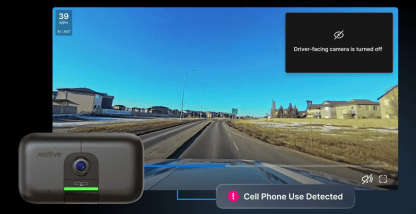
Driver Monitoring: AI-powered cameras can now detect unsafe driving behaviour. This kind of technology is a safety net that protects drivers from their own unsafe habits — and everyone else from preventable collisions.
Roadworthiness: This is where UK operators often fall short. Having the latest driver safety technology means nothing if your brake pads are worn, your tyres are illegal, or your lights don’t work. Daily walkaround checks are the first line of defence against mechanical failure.
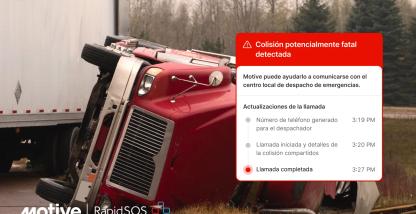
Event Data Recorders: When crashes happen, EDRs provide crucial evidence about what went wrong. They can immediately notify emergency services, potentially saving lives through faster response times. And yet I still hear operators worried about liability exposure rather than recognizing that these systems can protect them against false claims and help improve safety performance.
The haulage industry’s safety deficit
The haulage industry has been slow to embrace vehicle safety technology compared to other transport sectors. Part of this is economic — margins are tight, and safety features cost money. And then, of course, part of it is cultural. Some drivers still have a “We’ve always done it this way” mentality that treats safety improvements with suspicion.
The regulatory environment is tightening, and rightly so. The UK’s transition to Direct Vision Standard requirements for HGVs in London illustrates where things are heading. Operators who view safety as a cost rather than an investment will find themselves priced out of major contracts and urban markets.
Insurance underwriters are already factoring vehicle safety features into premiums. Clients are demanding proof of safety standards before awarding contracts. The market is moving, and operators who don’t move with it will be left behind.
Technology only works when it’s used
HGVs are rolling out of dealerships with safety technology that would have been hard to imagine a decade ago. These systems can literally prevent collisions that would have been inevitable just years earlier, but some drivers switch the systems off.
Why? Sometimes it’s poor training. Drivers don’t understand what the systems do or how to use them properly. Sometimes it’s overconfidence — experienced drivers who think they don’t need help. And sometimes the systems aren’t calibrated correctly, generating false alerts that erode trust.
This is a failure of implementation, not technology. Fleet operators need to invest in proper training, ensure systems are correctly installed, and create a culture where safety technology is valued rather than viewed as an impediment to getting the job done.
The business case for safe vehicles
Safe vehicles make financial sense. Fewer collisions mean lower insurance premiums. Better-maintained vehicles have lower operating costs and better residual values. Companies with strong safety records win more contracts and attract better drivers in a tight labour market. The return on investment in vehicle safety typically pays back within the first year, and that’s before you factor in the incalculable value of preventing fatal injuries.
Corporate manslaughter prosecutions in the UK are becoming more common and more aggressive. Directors can face personal liability. The reputational damage from a serious collision has the potential to impact a business overnight. The cost of implementing comprehensive vehicle safety measures is negligible compared to these risks.
What Road Safety Week should mean for UK haulage
Road Safety Week isn’t just for schools and community groups. It’s a moment for the UK transport industry to take stock of where we are and where we need to be. Every operator should be using this week to review their vehicle safety standards, conduct thorough fleet inspections, retrain drivers on safety systems, and audit their maintenance procedures. This is about genuinely examining whether your operation is doing everything possible to prevent being part of next year’s statistics.
For drivers, it’s about taking ownership of the incredible responsibility you carry every time you get behind the wheel of an HGV. That daily walkaround check isn’t paperwork. It’s your professional duty to ensure the vehicle you’re about to pilot through populated areas is mechanically sound. Those safety systems aren’t optional features to be switched off at convenience. They’re your partners in preventing tragedy.
The path forward
Brake has these safety campaigns because they believe in a world where no one is killed or harmed on our roads. That’s a vision that’s achievable if we commit to it. Safe vehicles are central to making that vision a reality, but only if we actually use them as designed, maintain them properly, and create a culture that values safety as highly as efficiency.
Road Safety Week is our reminder that we can do better. We must do better.
And we will do better. One properly maintained vehicle, one properly trained driver, and one properly implemented safety system at a time.
Protect your fleet with safety technology that works as hard as your drivers. The organizations that invest early are the organizations that stay ahead. Talk to our UK team about how to get started.