


Fleet safety in passenger transit means protecting people, vehicles, and operations.
A single lapse can lead to accidents, claims, and lost trust. Between 2011 and 2021, transit agencies reported nearly 42,000 liability claims, representing $950 million in losses across bus and rail operations.
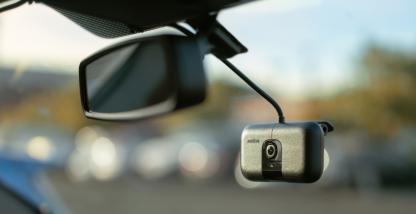
That’s why forward-looking transit operators are investing in smarter tools, such as AI-powered dash cams, telematics, and GPS fleet tracking to strengthen driver safety and operational performance.
But technology alone isn’t enough. A truly effective safety program requires structure, accountability, and a culture where driver behavior monitoring and proactive risk management are part of everyday operations.
Passenger transit safety risks every fleet must manage
Transit fleets operate under unique pressures. Transportation incidents now account for 36.8% of all occupational fatalities in the U.S. Just one incident can lead to lawsuits, property damage claims, and soaring insurance premiums, which rose 47% per mile between 2010 and 2020.
Fatigue, distraction, and unsafe driving behaviors remain leading causes of collisions, while even rare issues like unsafe parking can have catastrophic outcomes. Fleets need real-time visibility into vehicle performance, driver behavior, and compliance data to catch risks early.
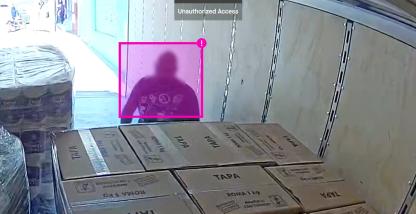
See how Western Express worked with Motive to address unsafe parking.
By shifting from reaction to prevention, passenger transit operators can create safer, more resilient operations.
Leveraging GPS tracking and AI-powered dash cams for fleet safety
Once the right drivers are in place, technology becomes the next line of defense.
GPS fleet tracking, AI dash cams, and telematics give leaders real-time visibility into their operations, helping them identify risks and prevent accidents. By combining this data with automated alerts and workflows, fleets can act before incidents escalate.
That’s the approach Nashville-based Encore Coaches adopted. Tasked with protecting passengers and high-value vehicles while meeting tight schedules, Encore turned to Motive AI Dashcams for help.
With real-time visibility, Encore could quickly detect unsafe behaviors and coach drivers in the moment, improving accountability across the fleet. The result: a perfect Safety Score, fewer litigation risks, and measurable performance gains.
Encore’s success highlights technology’s potential to transform fleet safety programs. With the right tools, fleets can prevent incidents rather than respond to them.
Without Motive, it would be almost impossible to track how our drivers are performing and how safe they are out on the road. It saves me a lot of time, and it also prevents accidents before they happen.
Why GPS fleet tracking is essential for passenger transit safety
To deliver results, fleets need measurable data. GPS fleet tracking, telematics, and integrated reporting allow managers to track routes, fuel use, and driver behavior in real time. With these tools, passenger transit fleet operators can make data-driven decisions that directly improve fleet safety.
The need for real-time visibility drove Dreamliner Coaches — a luxury fleet serving touring artists and high-profile clients — to strengthen its safety program. By adopting real-time GPS tracking and driver monitoring tools, the company gained valuable insight into fleet performance, routing, and fuel efficiency.
Motive AI Dashcams allow us to keep our drivers and customers safe. They’ve been pivotal in raising our drivers’ level of awareness and making us a more professional fleet.
Why building a safety culture is critical in passenger transit
Any strong fleet safety program starts with people. For passenger transit fleets, that means hiring and onboarding qualified drivers, setting clear expectations from day one, and reinforcing safety through consistent coaching and accountability.
These practices lay the groundwork for something even more important: a lasting safety culture.
At Aspen School District in Colorado, drivers complete over 100 hours of training in severe weather, long trips with students, and navigating mountainous routes.
“Incidents often became ‘he said, she said.’ Without clear evidence, addressing these situations was difficult. Sometimes the cases would go all the way to court, other times they would fizzle out,” said Reghan Mahaffey, Aspen’s transportation director.
Beyond onboarding, Aspen uses tools like AI Dashcams and real-time coaching to support drivers and keep safety top of mind. The combination of thorough preparation and ongoing accountability has turned safety into part of the district’s daily routine.
This is what a strong safety culture looks like. Policies aren’t just written down — they’re lived out by drivers, managers, and leadership.
In high-stakes transit like student transportation, it’s the safety culture that builds trust with passengers and communities and reduces risk at every level of the organization.
How Groome Transportation scaled fleet safety with AI Dashcams
When every element of a fleet safety program comes together, the results can be transformative.
Groome Transportation demonstrates this clearly. As a major provider of campus and airport shuttles, Groome needed a safety solution that could scale across more than 800 vehicles and 1,200 drivers while maintaining high standards for safety and daily operations.
Frustrated by unreliable AI event detection and sluggish service from its previous provider, Groome turned to Motive. The shift was immediate. Efficiency quadrupled, unsafe behaviors declined, and accurate AI alerts reduced false positives, building driver trust. Automated insights also gave Groome’s safety team more time to focus on coaching and retention instead of manual video review.
From Groome’s experience, three key lessons stand out:
- Accuracy builds trust: Reliable AI Dashcam alerts reduce false alarms and strengthen driver trust in safety technology.
- Visibility drives efficiency: Contextualized and prioritized event data in Motive’s Safety Hub reduced manual review time, empowering safety teams to focus on proactive decision-making.
- Data supports proactive coaching: Motive’s Safety Score equips Groome with a data-driven framework to guide coaching, predict risks, and reward safer behavior — turning insight into action.
The next step in passenger transit safety and fleet efficiency
Passenger transit safety is built through qualified drivers, smart technology, and a culture that makes safety part of every trip. The experiences of Aspen, Encore, and Groome show how these pieces work together to reduce incidents and strengthen community trust.
Whether you operate school buses, shuttles, or luxury coaches, a safety-first program delivers the reliability passengers expect.