


In food and beverage transportation, safety touches everything — from the welfare of drivers and the public, to the integrity of refrigerated cargo. A single incident on the road can put lives at risk, spoil a load, and set off a chain of challenges for the fleet.
For drivers, the pressure is constant, especially as they navigate tight schedules, unpredictable conditions, and temperature-sensitive freight.
For managers, the challenges are different but are no less urgent. When accidents happen, managers are often hundreds of miles away in the back office, dealing with a long and stressful recovery process. They may face questions about what happened, how to prevent it next time, and how to gain buy-in for safety technology from both drivers and executives.
This post examines the safety risks faced by food and beverage fleets — and why real-time visibility is crucial to maintaining food integrity and driving a food and beverage fleet’s bottom line.
Safety risks unique to food and beverage
Food and beverage transportation depends on precision and safety at every step. A collision that damages a trucker or reefer trailer isn’t just downtime — it can mean spoiled freight, rejected loads, and costly claims. For shipments like seafood or dairy, even brief temperature changes can have lasting consequences.
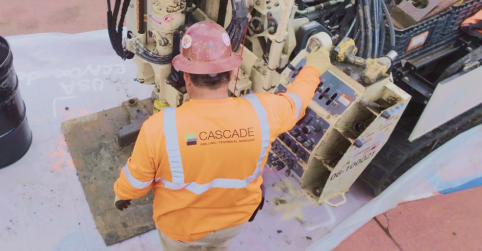
Adding to the pressure are strict deadlines drivers must meet. Grocery stores, restaurants, and wholesalers set strict receiving windows. Miss one, and the load may be turned away. Drivers carry that pressure every day, and it can lead to choices that put them — and their cargo — at risk. Pushing through fatigue, skipping breaks, or driving in severe weather can also create added risks.
Why visibility makes a difference
Whether on the road or in the back office, real-time visibility can be a game changer. Without it, unsafe driving behavior such as cell phone use or hard braking can go unchecked, and coaching comes too late. And when an incident does occur, defending drivers without video evidence becomes much harder.
AI-powered dash cams that accurately detect unsafe behaviors and alert drivers in real time can help reduce risk and prevent accidents. Without accurate AI to help drivers keep unsafe driving habits in check, food and beverage fleets may experience a rise in preventable accidents — all because drivers who need timely feedback on unsafe behavior don’t receive it.
It’s not just about event detection and accident prevention – it’s about reinforcing and rewarding safe driving. Without visibility, skilled drivers who do perform well go unrecognized because managers don’t have insight into which drivers are doing the right things, leading to retention issues. At a time when driver shortages are making national headlines, recognizing drivers for a job well done can make all the difference in retaining them.
Why accuracy matters
Legacy safety solutions with subpar AI often create more problems than they solve.
- Inaccurate AI detection overwhelms drivers and safety managers with false alerts and irrelevant video clips, making it harder to focus on the behaviors that truly matter.
- Delayed or nonexistent in-cab alerts do little to prevent accidents, leaving drivers without real-time coaching and managers without the timely insight they need to support drivers.
Inaccurate AI can provide a false sense of security, leading to gaps in visibility and risky driving going undetected.
Last year alone, the U.S. recorded 39,345 traffic deaths. For food and beverage fleets, every one of those incidents represents not just a loss of life but also financial risk — with one FMCSA study estimating the average cost of a fatal commercial motor vehicle crash across industries is $14.5M.
The challenges extend beyond detection. Providing timely coaching to dozens, hundreds, or even thousands of drivers, is a challenge. Safety managers don’t have time to sit down with every one of their drivers and many legacy safety solutions offer little guidance on how to measure performance, provide targeted feedback, or build incentive programs to ensure lasting change.
The value of technology in safety
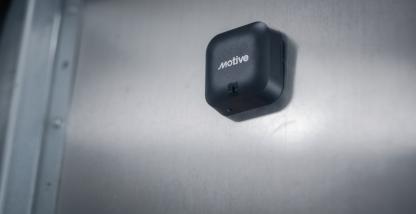
The Motive AI Dashcam helps prevent accidents by detecting unsafe driving behaviors in real time, alerting drivers immediately. Unlike legacy systems, Motive delivers accurate AI detections backed by human review, reducing false positives and wasted time. The Motive AI Dashcam also immediately notifies managers of issues that require further coaching.
At the same time, Motive features like Positive Driving make it easier for fleets to identify positive driving habits, so drivers feel supported and recognized.
When collisions do occur, Motive’s collision detection alerts managers within seconds, while HD video evidence helps fleets respond effectively, exonerate drivers, and speed up claims resolution. With features like Safety Scores and guidance to measure performance and establish incentive programs, managers can drive lasting impact and secure buy-in from both drivers and executives.
According to the 2023 Motive ROI Report, customers experienced up to 80% fewer accidents, a 30% reduction in accident-related costs, and a 21% reduction in insurance costs within the first year.
Build a safer, stronger food and beverage fleet
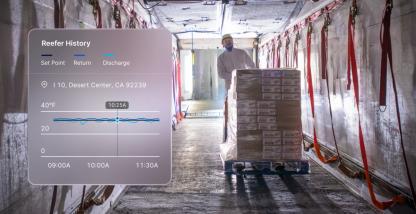
Food and beverage fleets can’t afford uncertainty on the road. Every trip carries risks to drivers, cargo, and customer relationships, and legacy tools aren’t built to keep up. With Driver Safety and Reefer Monitoring solutions in the same platform, Motive helps fleets prevent accidents, protect refrigerated loads, and ensure compliance. The result is a safer operation, stronger retention, and a culture that keeps both people and product moving forward.
Ready to see how Motive can help you build a safer fleet? Click here to learn more.