

Every surge in demand stresses physical operations. Volume spikes, and a single disruption can ripple across ports, rail yards, and distribution centers. What separates teams that simply survive from those that improve year after year is what they do after the rush.
In a recent Motive webinar, Mike Burton, president of MedLog USA, and Matt Lacy, vice president of EFW Transport, shared how they treat peak periods as learnings where lessons can be put into practice.
Debriefs grounded in planning, communication, and operational data help to sharpen the playbook before the next surge hits.
Why debriefing matters
During peak periods, teams can fall into reacting to problems instead of staying focused on the plan. That’s when small issues turn into bigger disruptions.
“You can either invest your attention upfront, or get involved later when something goes wrong, and it’s far more costly at that point,” Burton said.
Lacy echoed the importance of early coordination.
“At the end of the day, it’s all about advocating for that early planning,” he said. “It’s about collaboration with the customer, your teams, and your managers. Because it’s going to save you time and a lot of headaches later.”
Build the surge like a repeatable system
Burton described a consistent routine MedLog follows each year. They meet with customers early, clarify communication paths, run additional training, and protect capacity. Technology supports that preparation with real-time visibility and alerts so leaders can address issues before they become crises.
Staffing remains one of the hardest pressure points, especially in a tight labor market. Lacy emphasized that retention comes back to listening and support.
“At the end of the day, you’re just trying to have retention strategies that will help keep drivers running with you,” he said. “Oftentimes, that means lending an ear and allowing them to have a voice. We have quarterly driver meetings, and we have teams that are ready to go that can do a stand-up at any moment’s notice.”
Burton added that MedLog keeps contractor capacity steady by paying drivers more when peak season demands more time and effort, while cross-training and backup coverage help terminals stay resilient when volume spikes unexpectedly.
Use layered controls to manage risk
Surges also amplify the risk of theft and fraud. Lacy laid out the mindset behind EFW’s approach.
“We’re constantly thinking outside the box,” he said. “We’re not thieves, but we’re trying to think like fraudulent people to keep that from happening.”
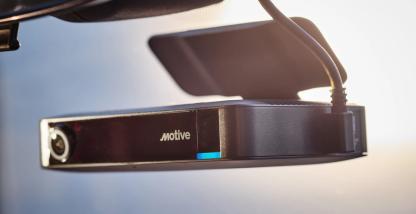
Clear parking protocols, GPS, and AI dash cams such as Motive’s AI Dashcam Plus all create layers of protection before something goes wrong.
Burton pointed to similar problem-solving when ports or rail operations clog up. Sometimes the answer is more capacity. Other times it requires direct coordination with partners and customers who can help open gates, make exceptions, or secure more chassis.
Debrief with people first
When peak season ends, Burton starts with recognition.
“The first thing we do is usually take everyone out for dinner,” he said. “We celebrate, and we thank everyone for what they did, and we look back on the season.”
Lacy described the same discipline at EFW, where debriefs happen after every major push, no matter the cause.
“We always do a debrief when peak season is over,” he said. “We discuss and try to fine-tune our processes. And in doing so, we give a big thank you to our employees — whether that’s a lunch, a dinner, or small rewards for our drivers — making sure they know how greatly valued they are.”
Turn lessons into better decisions
Debriefs work best when they’re cross-functional. Jim Higby, Lead, Safety and Compliance Strategy, at Motive, emphasized collaboration across safety, operations, and maintenance so leaders don’t draw the wrong conclusions.
Safety decisions deserve special attention, because peak pressure can push the wrong behaviors. Burton shared a moment that reshaped how his team responds to customer expectations in extreme conditions.
When Medlog’s drivers encountered an ice storm in the South, the company put the focus on driver safety. “We just had to tell them we couldn’t deliver the freight,” he said. “And when pressure didn’t let up, we walked away from the freight.”
For both leaders, that line stays firm. Lacy put it plainly.
“No shipment is gonna be worth risking our driver’s safety or our company’s reputation or any other person’s safety out there on the road.”
That is the value of the debrief. Capture what worked, learn from what didn’t, and lock in improvements before the next surge hits.
Watch the full webinar for more peak season insights.