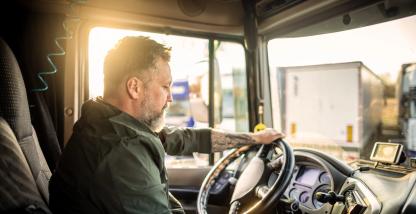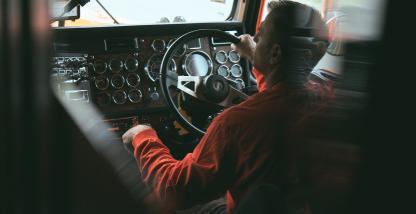


Every morning while you’re grabbing your coffee and checking your phone, there’s someone in a Peterbilt who’s been driving since 3 a.m. so groceries can make it to the store. There’s someone behind the wheel of a school bus making sure kids get to school safely.
These are people out on the road, working hard every day. The truck drivers, the delivery drivers, the bus drivers, the folks who keep the economy moving. No matter what your job is, it’s likely made possible by a truck driver.
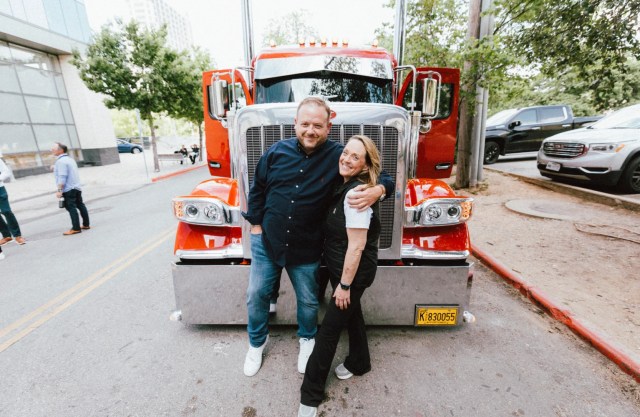
As a farm kid who started driving before I could even see over the dash, I’ve now held my CDL for 25 years. I’ve been that driver, and I know from experience how impactful National Truck Driver Appreciation Week can be.
The industry has changed, but drivers keep going
When I first started driving commercially, I knew what hard work looked like. I’d worked in farming, commercial fishing, masonry, concrete, and restaurants. That first winter as a driver, I ran doubles through Grand Junction from Denver to Durango in icy conditions. Cars sped past while avalanche warnings lined both sides of the road. I realized then that while driving is demanding, it’s also dangerous.
Back then, finding a truck with an automatic transmission was like finding a unicorn. The CB radio crackled with real conversation. Drivers shared road conditions, warning about road hazards — helping each other. There was a code, an understanding that we were all in this together.
Now? Nearly every truck rolls on automatic. The CBs are mostly quiet. Drivers sit in their cabs staring at phones instead of talking to each other at truck stops. The camaraderie that defined this profession for decades has faded, but we keep moving freight.
What it’s really like out there
I’ve hauled everything from Hazmat to medical supplies. I’ve driven through blizzards in Wyoming, where you can’t see past your hood ornament, and in desert heat that melts asphalt and tires.
People ask what it’s like. It’s sitting in a truck stop at 2 a.m., eating a dry sandwich because the restaurants are closed. It’s being responsible for 80,000 pounds while navigating risks on the road.
It’s waiting for hours at loading docks with your hours-of-service ticking away. What people don’t always realize is that many drivers aren’t just employees punching a clock. That driver often owns his truck. He’s managing fuel costs, maintenance schedules, insurance, and regulations that constantly evolve.
The drivers who keep America moving
A school bus driver is responsible for dozens, if not hundreds,, if not hundreds, of students every morning and afternoon, managing traffic around school zones and watching for cars that don’t always realize they need to stop. Many know their passengers and look out for their well-being during the ride.
When much of the world shifted to remote work during the pandemic, drivers continued working on the frontlines, delivering supplies to hospitals and keeping shelves stocked for families. Driving has always been an in-person job — one that’s remained critical through every challenge.
The sense of connection that once defined this profession has changed, but it hasn’t disappeared. Technology has created new ways for drivers to connect on the road. Drivers remain part of their communities. They coach youth teams, volunteer locally, help friends move, and take part in the everyday work that keeps communities strong.
Lessons from 25 years behind the wheel
After more than 25 years, I’m still proud of this profession, because it’s honest work that matters. When I park the truck at the end of the day, I know I’ve done something that kept this country moving.
As the industry evolves, the core of what we do remains the same. And, just as it always has, the impact of professional drivers extends far beyond a single week. Every mile on the road helps keep communities supplied, businesses operating, and families connected — and that work deserves lasting respect and appreciation.